Write for us: pest control
Pest control write for us: guides from licensed operators
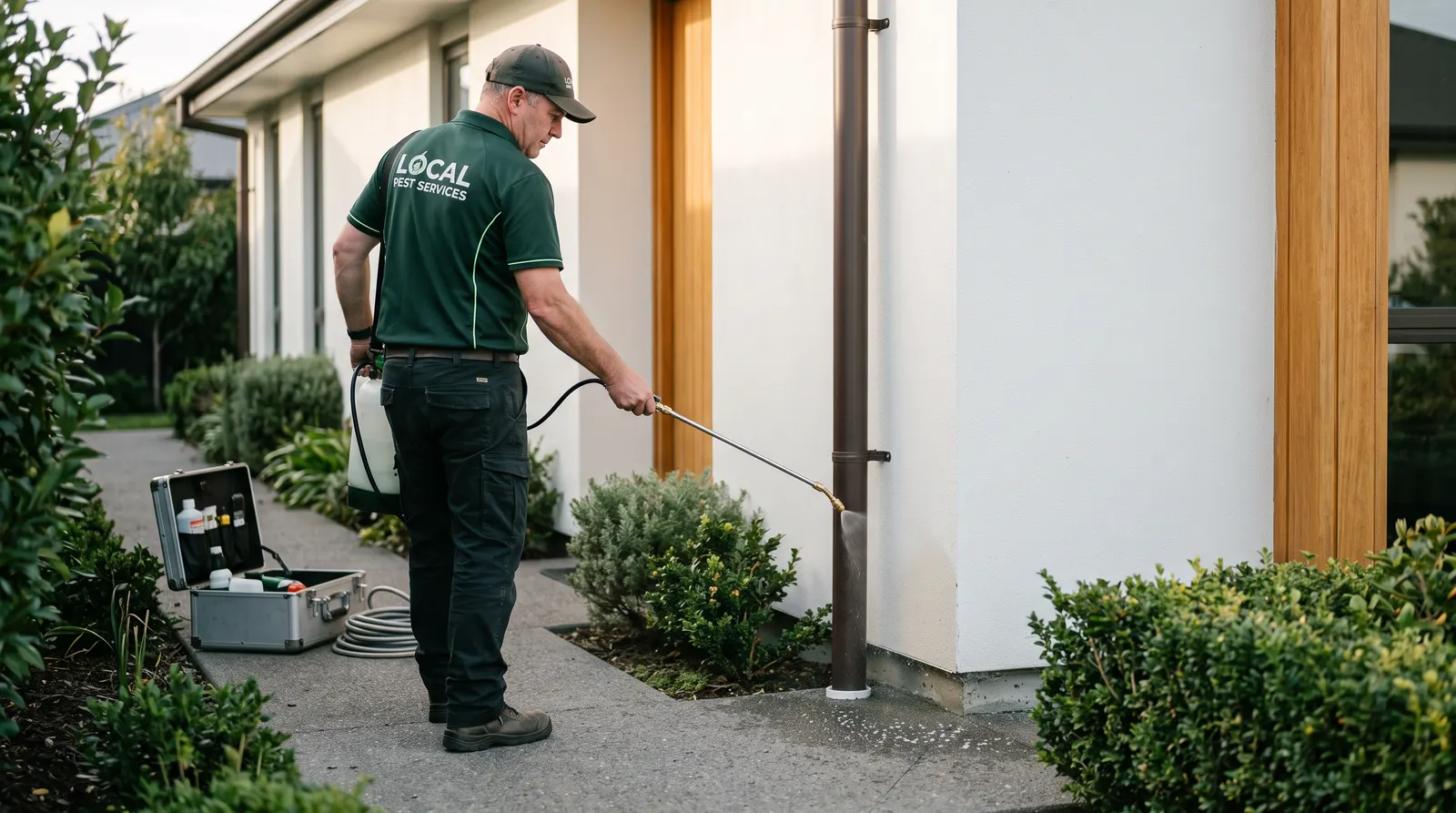
Pest control write for us is for licensed pest operators with years in the trade who know what an infestation looks like before a homeowner does. Each guide carries your license, state and years of experience, and no money changes hands either way.
The short version
A pest guide here helps a homeowner identify the problem, avoid making it worse, and know when a licensed operator is the only safe fix.
How it works
From pest control pitch to published
- 01
Pitch the pest control idea
Email a one-paragraph pitch and a working title: the pest control failure, the homeowner problem it solves and the sources you will cite.
- 02
Write from the job
Original and sourced, with a clear safety line on any risky task. We edit for accuracy and house style.
- 03
Review the edit, then publish
You see the edited version first. Anything sponsored is labelled per FTC and Google policy.
Pest control pieces we accept
- How to identify a specific pest from the signs a homeowner can see
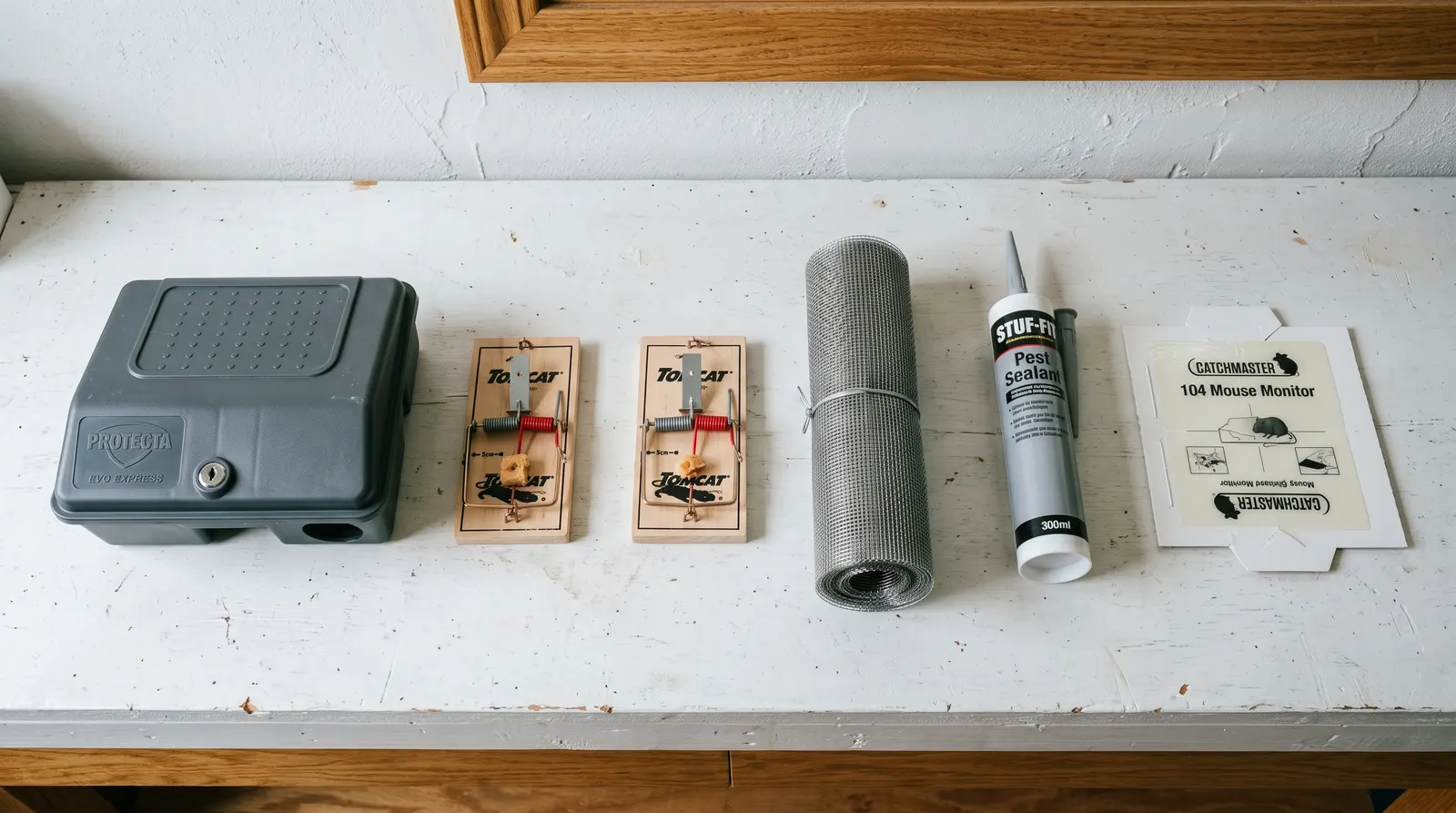
- Exclusion and prevention a homeowner can do safely
- How to tell a legitimate pest control company from a poor one
- Regional pest pressure you see in practice
What we decline
- Instructions for applying restricted-use pesticides
- Wildlife handling written as a homeowner task
- Treatment cost figures with no source or date
- Pieces promoting a single product or service contract
Straight answers
Pest control contributor questions
The questions homeowners actually search for on this problem, answered in plain language.
Browse all guidesDo I need a pest control license to write for you?
For treatment and identification content, yes, or equivalent verifiable experience. We publish what you hold accurately.
Do you pay pest control contributors?
No, and we do not charge either. You get a credited byline on a maintained guide.
Can I write about the products I use?
Yes, with any commercial relationship disclosed. A guide promoting one product is declined.
What pest topics are already covered?
Browse the pest emergency guides first, then pitch the pest or problem we have not covered well.
Do you accept sponsored pest control posts?
Yes, clearly disclosed. Sponsorship never changes the safety guidance.
How do I pitch a pest control guide?
Email the editor with a one-paragraph idea, a working title, the homeowner problem and your sources.
Will you edit my advice?
Not the technical substance without asking. You see the edited version before publication.
Can I link to my company?
In your byline, and in the body where it is genuinely the reference a reader needs.
Can I include photos of infestations?
Yes, with permission and nothing that identifies the property.
Can I use AI to write the draft?
Not as a submission. We want the first-hand detail only you can supply.
How long should a pest control guide be?
Our guides typically run 1,800 to 2,900 words, because identification, prevention and the hire decision each need room. A tight guide that covers one pest completely beats a padded one.
Who writes these: Licensed pest control operators and technicians, wildlife removal specialists, and inspectors.
Pest control write for us: what our readers need from an operator
Our pest readers have just seen something in the kitchen, the attic or the walls. They need to know what it is, what not to do, and how fast it needs a professional.
Licensed operators know which home remedies make an infestation worse. A guide that says so, with the reason, is worth more to our readers than a list of sprays.
Where a pest control guide has to stop
Restricted-use pesticides, fumigation and wildlife handling are professional work. A guide can explain identification, sanitation and exclusion, and it routes treatment to a licensed operator.
The details only a pest operator knows
These are the details we want in a pest control pitch:
- The droppings, damage or sound that tells one pest from another.
- The common homeowner fix that scatters an infestation.
- Where exclusion work usually fails in the houses you treat.
- What a legitimate inspection report should contain.
Your byline, your license
Pest control guides carry a real name and a credential we can state accurately: license type, state and years in the trade. Commercial interests are printed beside it.
Pest control pitches we see too often
Most pest pitches we decline are generic rather than wrong. These are the patterns that come back with a no:
- A list of natural remedies with no note on which ones fail or scatter pests.
- A seasonal checklist that could apply to any house in any state.
- A treatment guide that reads like a product label.
- An article whose real purpose is a service contract sign-up.
What a strong pest control pitch looks like
One pest, one sign, one decision. Add your license type and state, and cover these four points in order:
Termites, bed bugs, rodents and stinging insects are the pests readers most often arrive worried about, and a first-hand identification guide for any of them is the easiest yes.
- What the homeowner first notices.
- How you confirm the pest on an inspection.
- What they can safely do while they wait.
- The point at which treatment has to be professional.
Before you pitch
See what is already published in our pest emergency guides, read the complete contributor guidelines, and check how every guide is sourced and corrected. If a paid placement is what you want, that is the sponsored route for pest control brands, with different rules. This pest control write for us page covers only what is specific to pest control.
Editorial and partnerships
Pitch us a pest control guide
Tell us your trade credential, where you work, and the pest control failure you want to write about.