Nine emergency trades, one request
The trades we get to your door when something fails
Water coming through a ceiling, no heat in January, a door that will not open. Tell us the trade and what has failed, and your request goes to licensed, insured contractors who cover that work.
Before you request anyone
- 1Kill the source. Water at the main valve, power at the breaker, gas at the meter.
- 2Fire, gas or injury? Leave and call 911 before anything else.
- 3Photograph it before you clean up, or your insurer may not pay.
The nine trades
Pick the trade that matches what failed
Each page covers the specific failures in that trade, what the repair costs, and what you can safely do before anyone arrives. Every one of them carries the same request form.
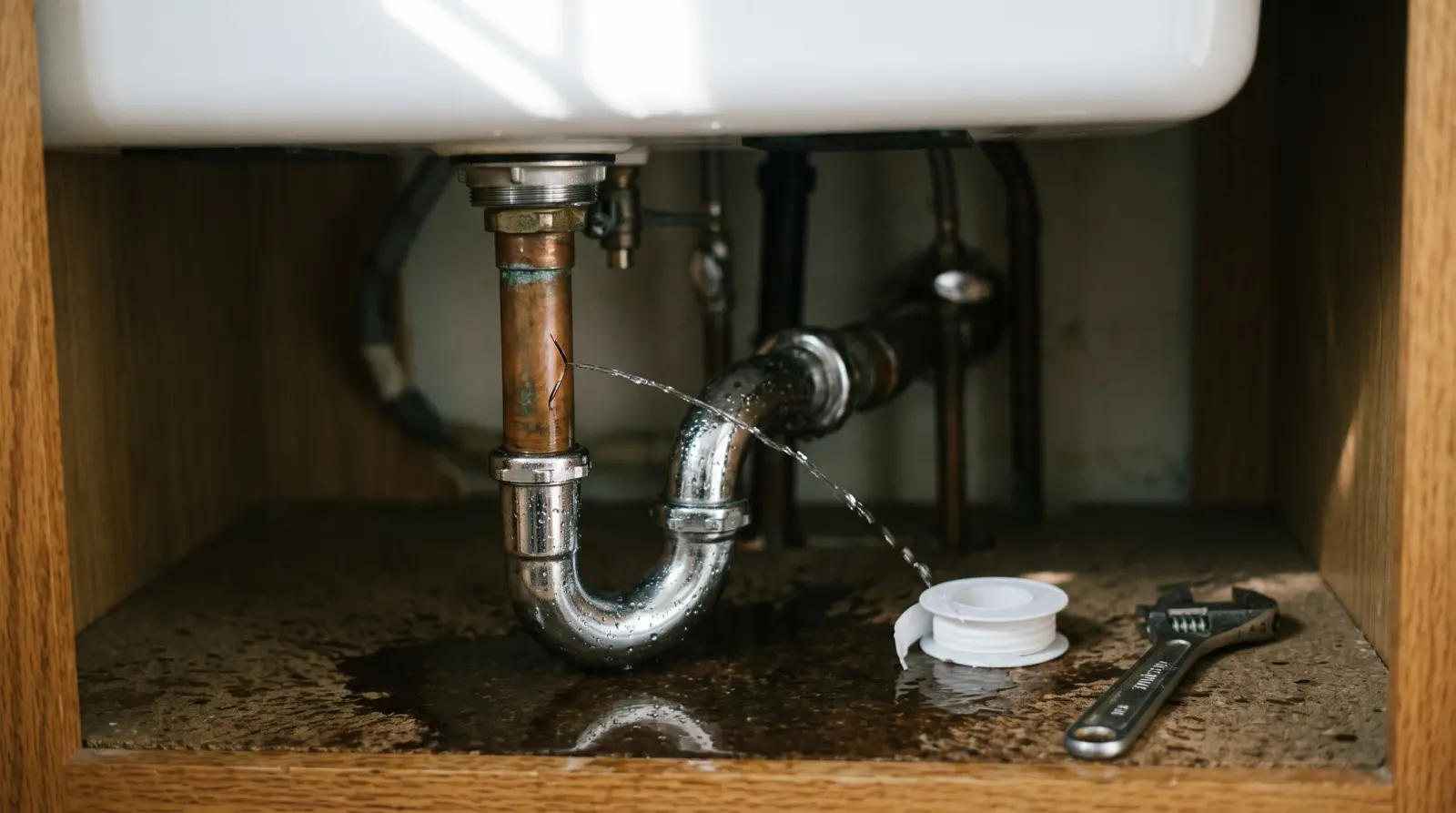 Emergency Plumbing
 Burst pipes, no water, water-heater failures. We get a licensed plumber to your door and tell you the rate first.
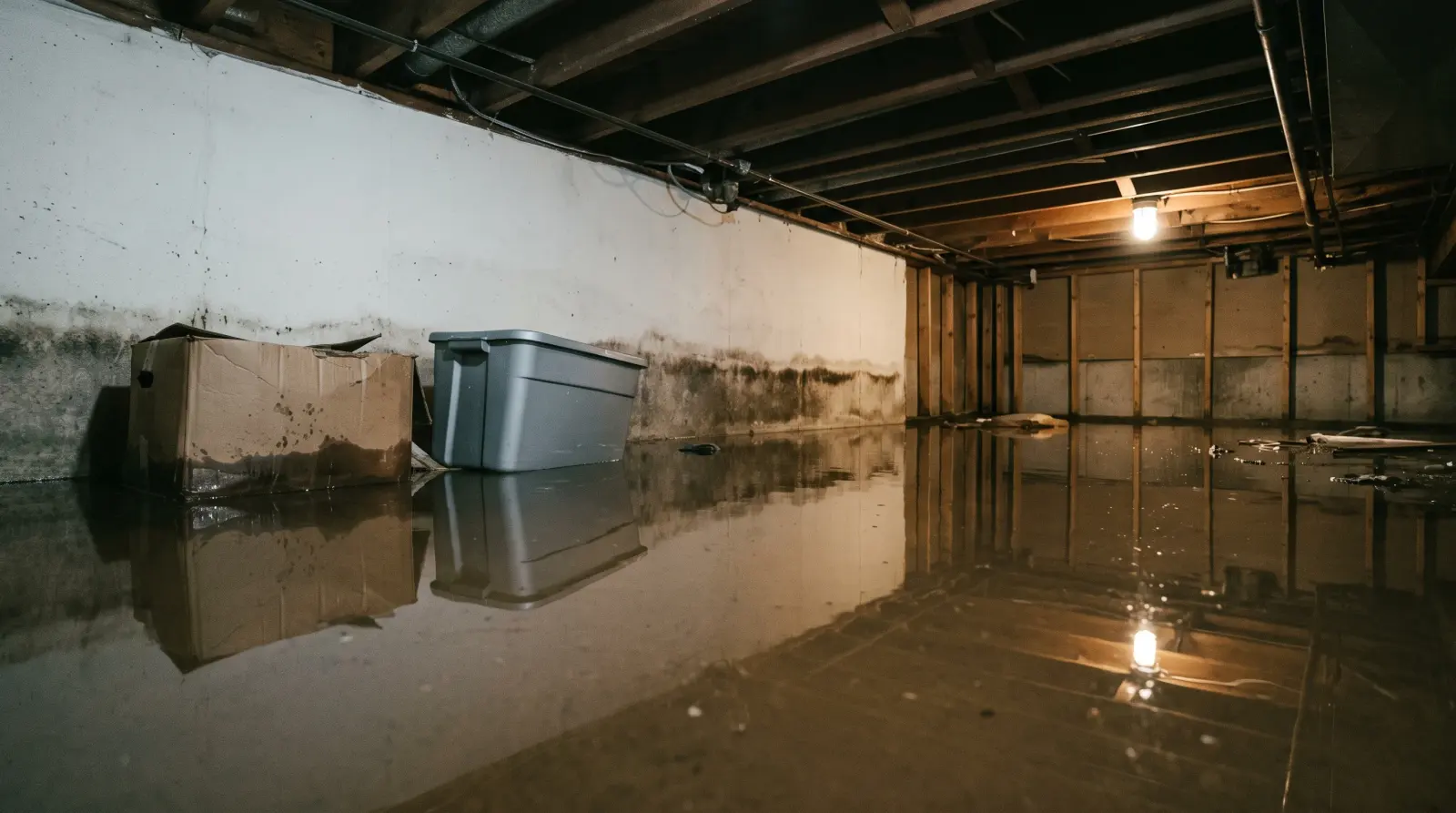 Water Damage & Restoration
 Flooded basements and the 24-48 hour mold clock. Certified restoration crews, plus what your insurer will actually cover.
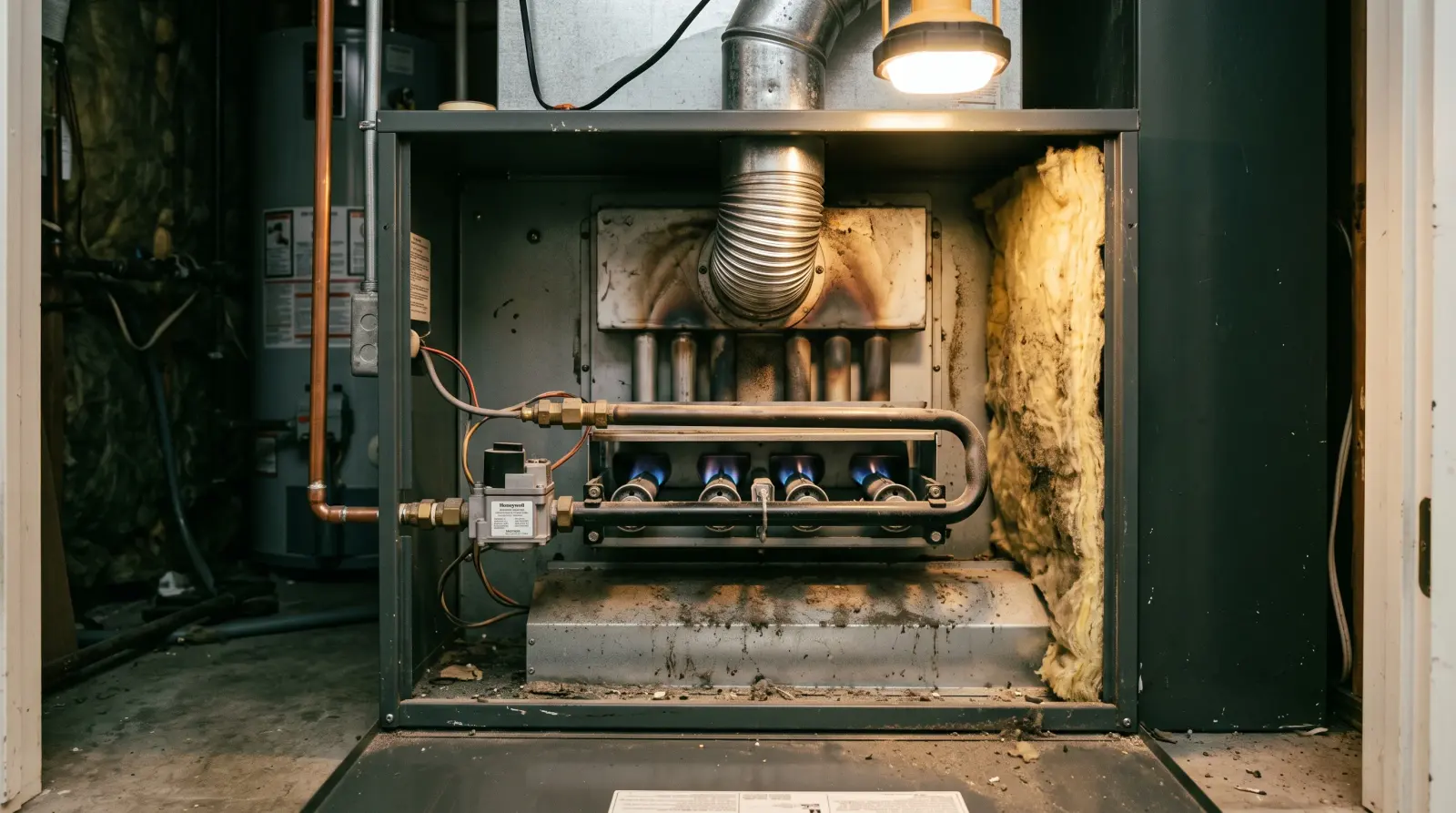 Emergency HVAC
 No heat in January, no cooling in July, or a carbon-monoxide warning. HVAC techs dispatched around the clock.
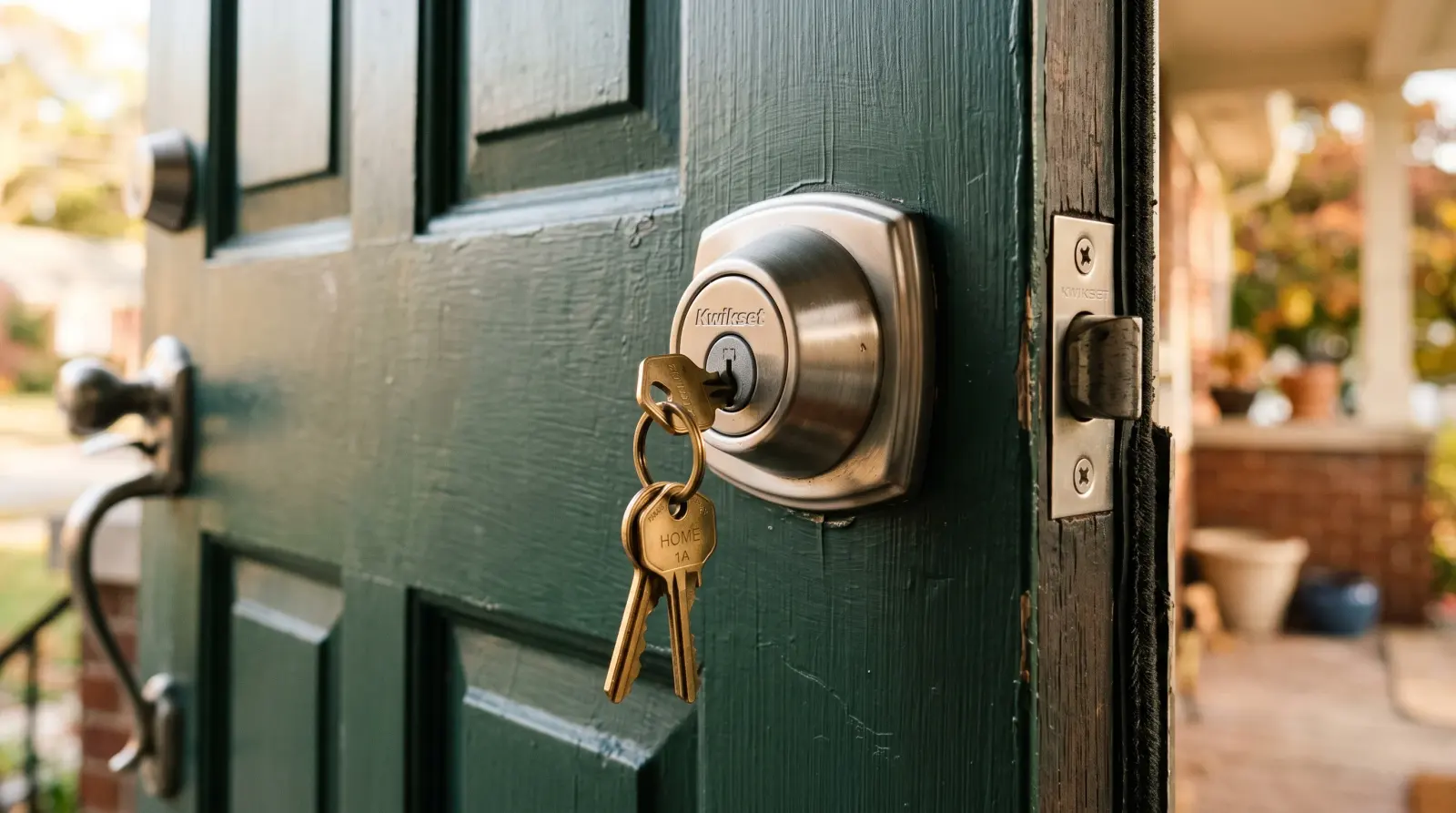 Lockout & Locksmith
 Locked out of a house or car, or need locks changed tonight. Vetted locksmiths, quoted up front, no bait-and-switch.
 Emergency Electrical
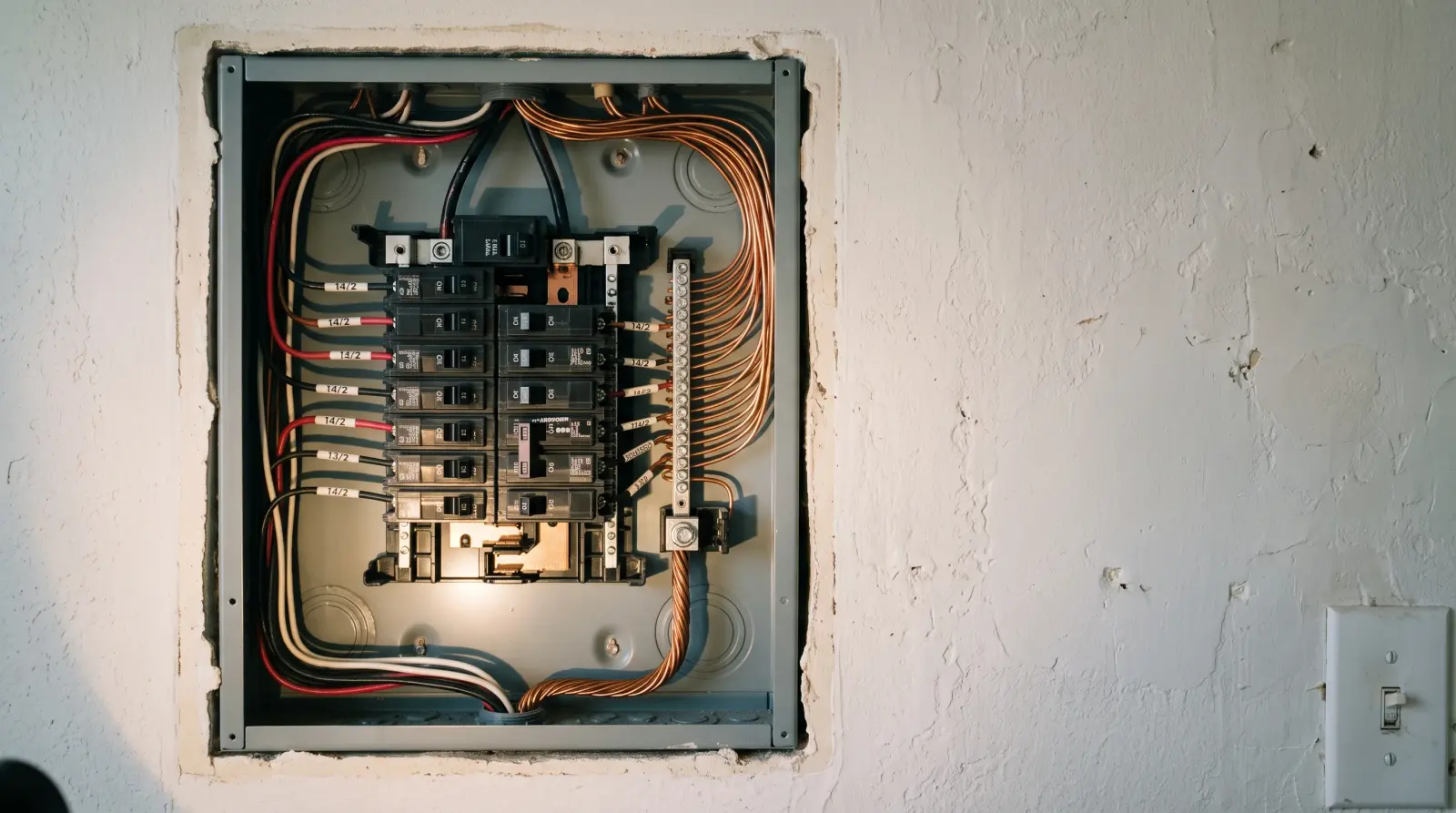
 Breakers that will not reset, burning smells, sparking outlets. Licensed electricians for the faults you must not touch.
 Appliance Repair
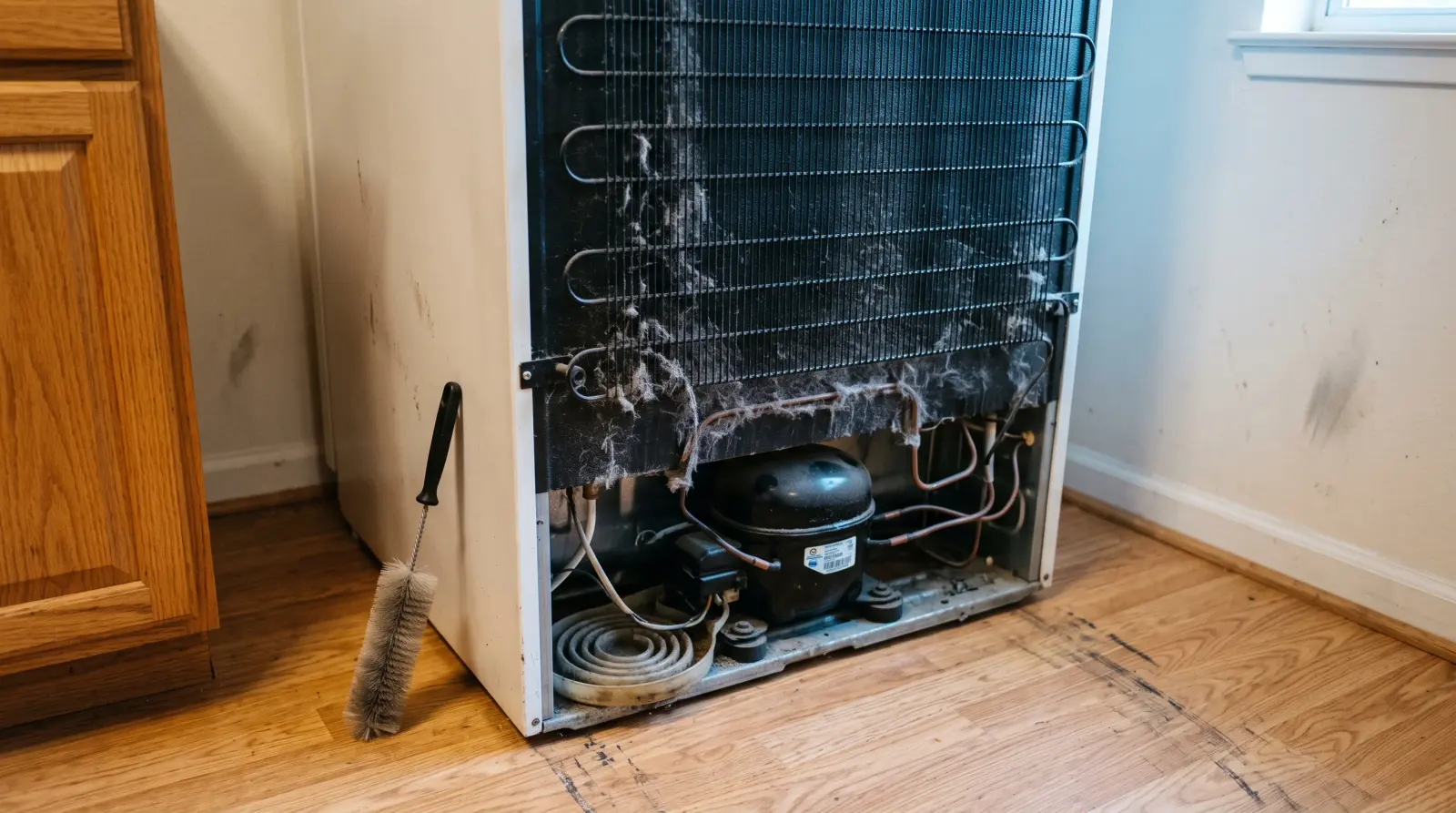
 Fridge, washer, dryer and oven failures, with the repair-or-replace math before a technician is dispatched.
 Garage Door
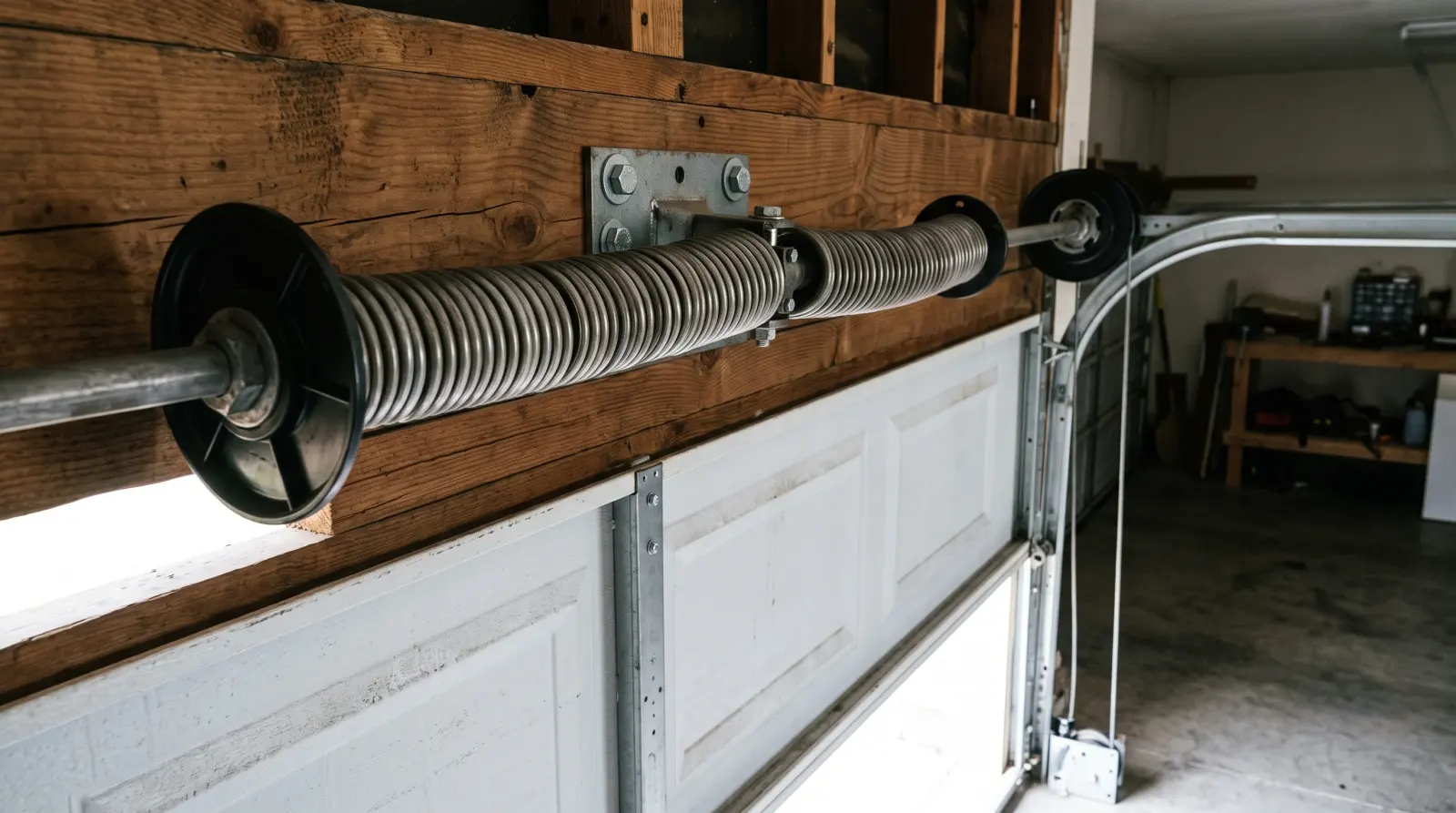
 A snapped torsion spring, a door off its track, a car shut in. Garage door technicians and honest spring pricing.
 Pest Emergencies
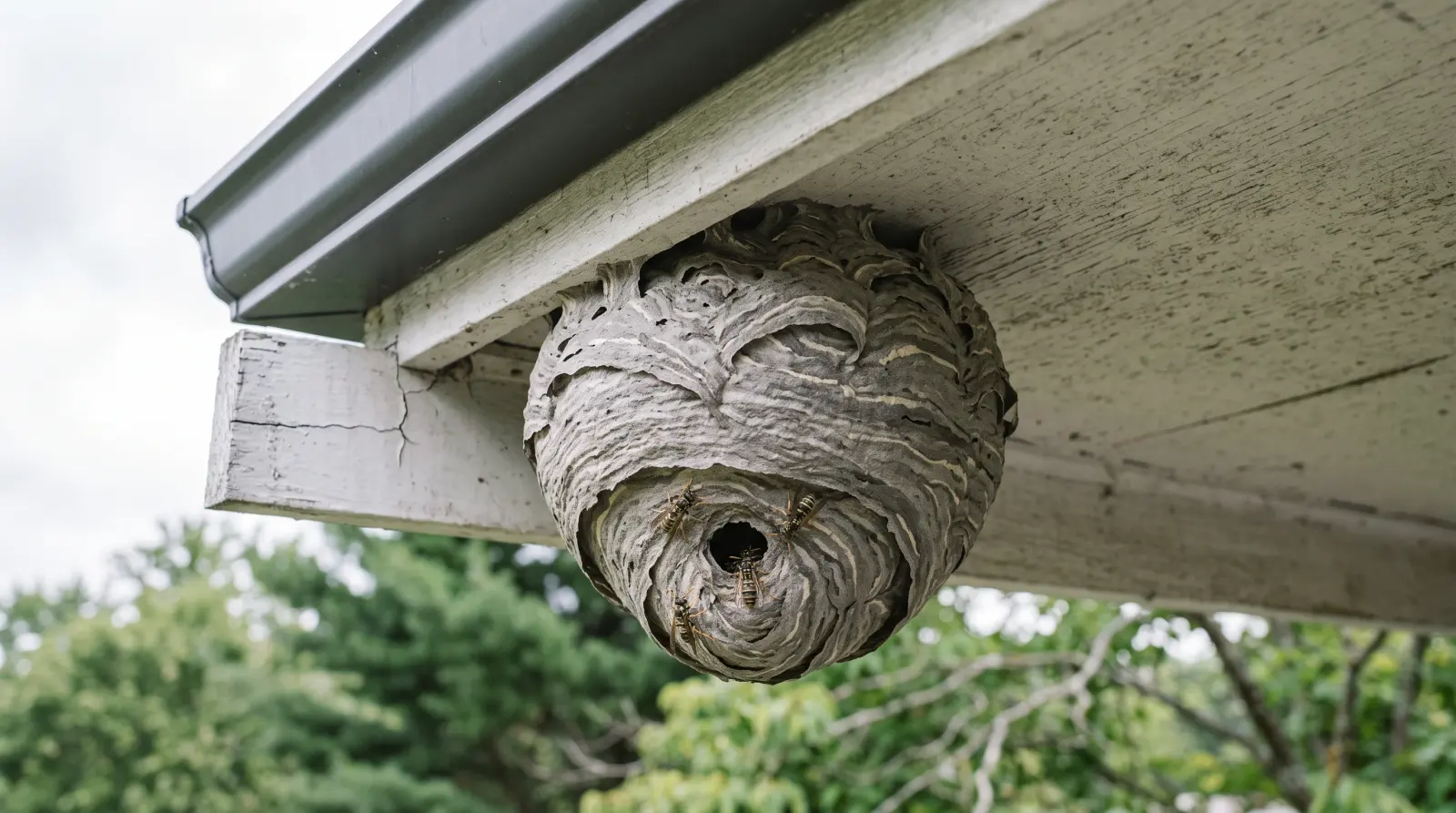
 A wasp nest by the door, a sudden rodent problem, bed bugs. Licensed exterminators, same-day where available.
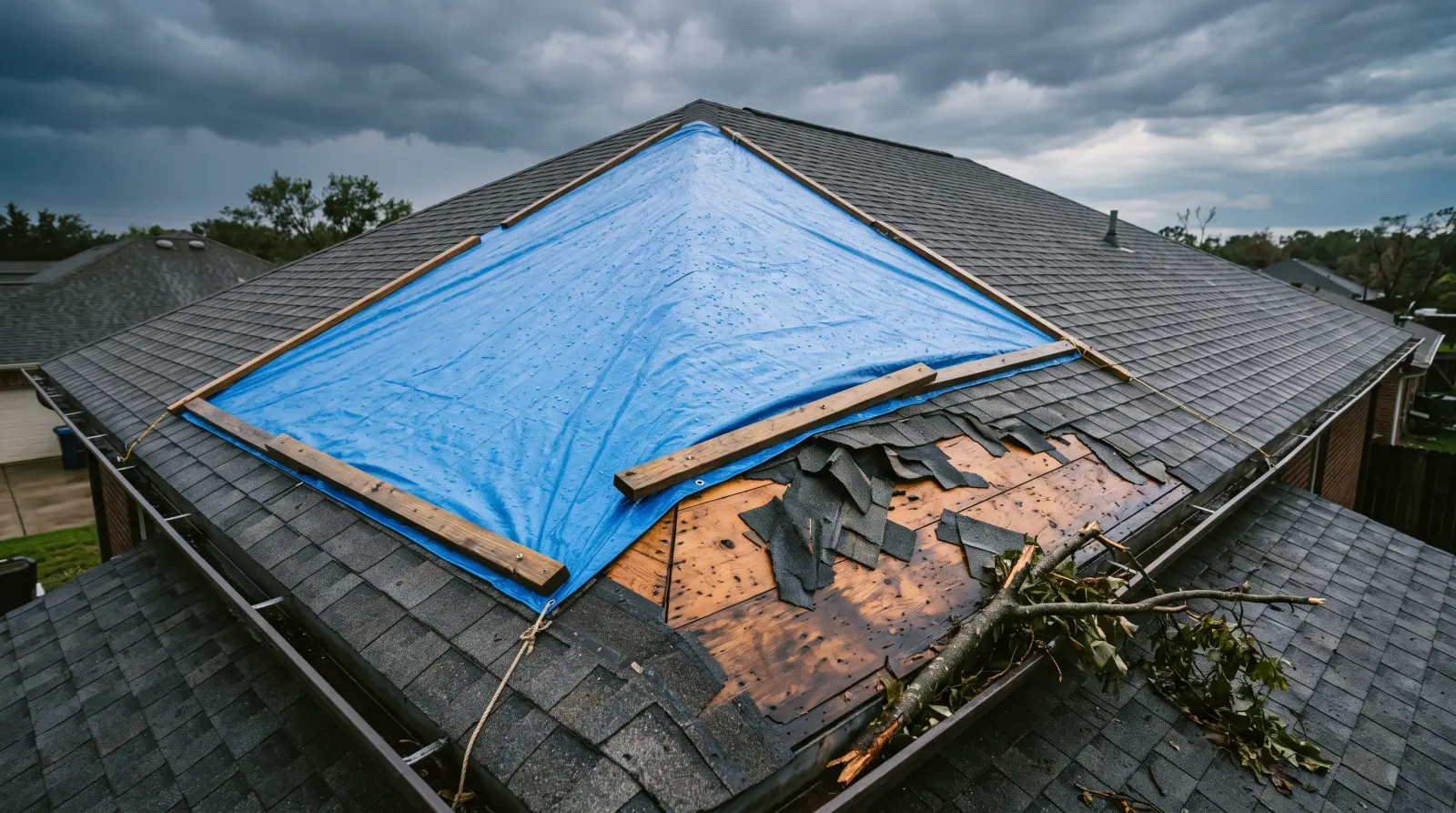 Storm, Roof & Tree
 A roof leaking mid-storm or a tree on the house. Emergency tarping, tree removal, and documentation for the claim.
What does Emergency Services 24H actually do?
Emergency Services 24H is a referral service for home emergencies. You describe the failure, we route it to independent contractors licensed for that trade in your area, and they contact you to quote and schedule. Submitting is free and contractors pay the referral fee, not you.
Home emergencies punish delay. A supply line that lets go at 2am moves clean category-1 water through drywall and subfloor for hours, and the 24 to 48 hour window before mold begins starts the moment it does. The value of a fast dispatch is not convenience, it is the size of the eventual repair.
Finding a trustworthy trade at 2am is genuinely hard. Directories are stuffed with national call centers that subcontract to whoever answers, and the locksmith category has a documented bait-and-switch pattern. So this site publishes the price ranges and the safety steps before it asks you for anything, and checks a license before it routes a request.
Which failures are actually emergencies
Not every broken thing needs a contractor tonight, and being told otherwise is how people end up paying an after-hours premium for a repair that could have waited until Tuesday. The dividing line is whether the situation is getting worse on its own.
What emergency work costs
These are national ranges for after-hours work, drawn from published 2026 cost data and cross-checked against prices homeowners report. Treat them as a sanity check on a quote, not a promise. Region, time of day, equipment age and access all move the number, and a diagnostic fee is usually separate.
The three questions that stop an overcharge
Ask all three on the phone, before anyone is dispatched. A contractor who will not answer them plainly is telling you something useful.
- What is the diagnostic or call-out fee, and is it credited against the repair if I go ahead?
- Is the rate quoted the after-hours rate, or does it change once someone is on site?
- What is your state license number, and are you insured for this trade?
24/7 dispatch network
Tell us what failed
One form covers all nine trades. Give us the symptom and we route it to contractors licensed for that work in your area.
Fire, a gas smell, or an injury? Leave the building and call 911 first, then your gas utility or power company. Use this form once you are safe.
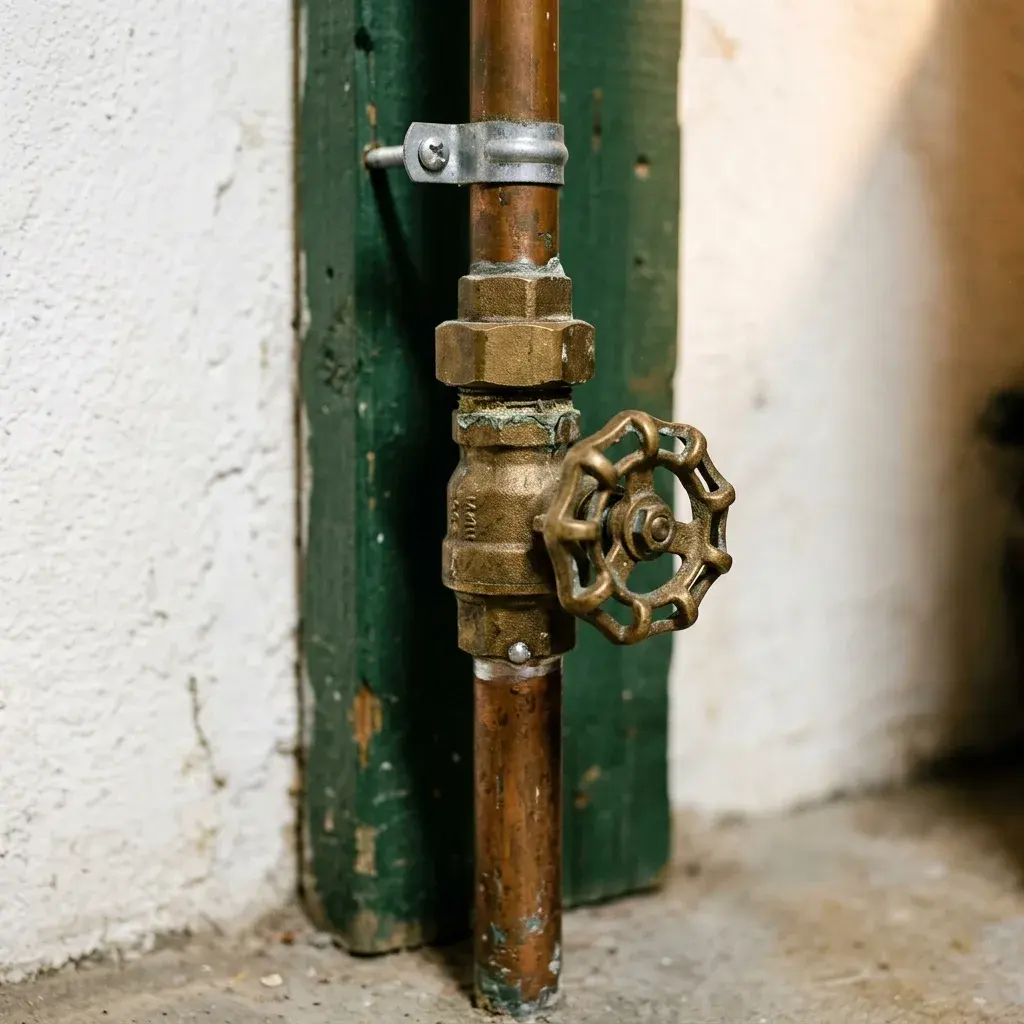
While you wait for the callback
Find your main water shut-off before you need it, not during. In most US homes it is where the supply enters the building, on the street side of the meter, or in a basement near the front foundation wall. In slab-on-grade homes it is more often in an exterior box at the property line.
Turning that one valve is the difference between a wet ceiling and a gutted floor. Here is how to find and turn yours, and if a quote you are given does not match the ranges above, our contact page is the place to tell us.
Straight answers
Questions homeowners ask before they submit
The questions homeowners actually search for on this problem, answered in plain language.
Browse all guidesHow fast can someone actually get here?
For an active emergency in a metro area, most contractors in the network call back within the hour and can be on site the same evening. Rural areas and severe-weather events stretch that, because every plumber within fifty miles is already dispatched. If nobody has called you within an hour, contact us and we re-route the request.
Does it cost anything to submit a request?
No. The request is free and there is no obligation to hire whoever calls you. Emergency Services 24H is paid a referral fee by the contractor, not by you. What you pay is whatever you and the contractor agree, and you should always get that in writing before work starts.
Are the contractors licensed and insured?
Contractors are checked for a current state license in the trade we refer them for and for liability insurance. That check is a snapshot, not a warranty, so verify the license number with your state board before you authorize anything.
What if I only want a price, not a visit?
Say so in the description field. Many contractors will give a ballpark over the phone once they know the symptom, the age of the equipment and where you are. A firm number almost always needs eyes on the failure, especially for anything behind a wall or under a slab.
Do you cover my area?
The network is nationwide. Coverage is deepest in metro areas and thinner for some trades in rural counties, so the contractor confirms they cover your street when they call. If nobody in that trade can reach you, we tell you rather than sitting on the request.
What happens to my phone number?
It goes to the contractors matched to your request so they can call you, and it is used by us to follow up on whether anyone reached you. It is not sold to advertisers or data brokers. The privacy policy sets out retention and how to have your details deleted.
Is this the same as calling a franchise like Roto-Rooter?
No. A franchise sends its own branded crew. We are a referral service that matches you to independent local contractors, which usually means a wider spread of pricing and availability. The trade-off is that you are comparing several small businesses rather than one national brand.
Should I use this form if I smell gas?
No. Leave the building, then call 911 and your gas utility from outside. Do not flip switches, do not use the garage door opener, and do not wait for a contractor callback. Come back to the form once the utility has made the property safe.
24/7 dispatch network
Get a licensed contractor moving
Free to submit, no obligation to hire, and a real person on the phone rather than a callback queue.
Fire, a gas smell, or an injury? Leave the building and call 911 first, then your gas utility or power company. Use this form once you are safe.