Write for us: plumbing
Plumbing write for us: guides from working plumbers
Plumbing write for us is for licensed plumbers with years in the trade who know the failure a homeowner is facing at 2 a.m. Each guide carries your license type, state and years of experience, and no money changes hands in either direction.
The short version
A plumbing guide here answers a homeowner mid-failure: what to shut off, what it probably is, and when to stop and call a licensed plumber.
How it works
From plumbing pitch to published
- 01
Pitch the plumbing idea
Email a one-paragraph pitch and a working title: the plumbing failure, the homeowner problem it solves and the sources you will cite.
- 02
Write from the job
Original and sourced, with a clear safety line on any risky task. We edit for accuracy and house style.
- 03
Review the edit, then publish
You see the edited version first. Anything sponsored is labelled per FTC and Google policy.
Plumbing pieces we accept
- A single plumbing failure explained from the call-out side: burst pipe, backed-up drain, no hot water, running toilet
- The first safe check a homeowner can make, and where it stops being safe
- Honest hiring advice: what a quote should include and what to ask before work starts
- Regional differences you see in practice, such as freeze risk or hard water
What we decline
- Instructions for gas water heater work, gas lines or anything behind a gas valve
- Sewage or category 3 water handling written as a do-it-yourself task
- Price lists with no source or date behind them
- Pieces written to promote a product line or a single brand of fixture
Straight answers
Plumbing contributor questions
The questions homeowners actually search for on this problem, answered in plain language.
Browse all guidesDo I need to be a licensed plumber to write for you?
For hands-on plumbing content, yes, or equivalent verifiable experience. We will ask what you hold and publish it accurately. Research-led pieces on hiring or insurance claims do not need a license, but the sourcing bar is the same.
Do you pay plumbing contributors?
No, and we do not charge either. It is an exchange: your expertise for a credited byline on a maintained guide that names your license type, state and company.
Can I link to my plumbing company?
Yes, in your byline, and in the body where it is genuinely the reference a reader needs. Keyword-stuffed anchors and undisclosed paid links are declined.
What plumbing topics are already covered?
Browse the emergency plumbing guides first. A pitch that covers a failure we have not written about, or adds trade detail to one we have, is the easiest yes.
Can I include photos from real jobs?
Yes, with permission from the homeowner and nothing that identifies the property. Real job photos are among the most useful things a plumber can add.
Do you accept sponsored plumbing posts?
Yes, within the niche and always clearly disclosed per FTC guidance and Google’s link-spam policy. Sponsorship never changes our safety guidance.
How do I pitch a plumbing guide?
Email the editor with a one-paragraph idea, a working title, the homeowner problem it solves and the sources you plan to cite.
Will you change my technical advice?
Not without asking you first. We edit for accuracy, safety framing and style, and you see the edited version before it publishes.
Can I use AI to write the draft?
Not as a submission. We want the first-hand detail a model cannot produce. Using a tool to tidy your own writing is fine.
What if my advice varies by state?
Say so in the piece. Regional variation in code and practice is exactly the kind of detail our readers cannot find elsewhere.
Who writes these: Licensed plumbers, journeymen and apprentices working under a license, drain and sewer specialists, and water-damage restoration technicians who start where the plumbing failed.
Plumbing write for us: what our readers need from a plumber
Our plumbing readers are homeowners with water where it should not be. They need three things in order: how to stop it getting worse, what it probably is, and whether this is a call for tonight or for Monday.
You already carry that triage in your head. A guide that writes it down, in the order you actually think through a job, is the most useful thing a plumber can contribute to the site.
The details only a working plumber knows
These are the details that separate a guide worth maintaining from one that repeats a manufacturer leaflet.
- The sound or smell that tells a partial clog from a collapsed line.
- Where the main shut-off is usually hidden in the house types you work in.
- The free check that settles many no-hot-water calls before anyone drives out.
- Why a small leak under a slab changes the whole job.
- The part that is cheap to replace but often gets quoted as a full fixture.
Where a plumbing guide has to stop
Water is forgiving until it meets electricity, gas or sewage. A guide can tell a homeowner how to close a valve, clear a trap they can reach, or move belongings away from a leak. It cannot walk them through a gas water heater, a main sewer line or anything that involves category 3 water.
When the honest answer is "turn it off and call a licensed plumber", we publish that answer with the reasoning attached. That is not a weaker guide. For many readers it is the only safe one.
Your byline and your license
Every plumbing guide carries a real name and a credential we can state accurately. If you would rather not be named, the piece can run unbylined, but never under an invented persona.
- Your license type and the state that issued it.
- Years in the trade.
- The company you work for, if you want it named.
- Any commercial interest, such as owning the company or selling the parts you recommend.
What happens after you send a plumbing pitch
We read it for fit with our plumbing category first, then for the detail only you could supply. Expect questions about where a figure came from and whether a step is safe for a reader without your training.
We edit for accuracy, safety framing and house style. You see the edited version before it publishes. After publication the guide is maintained, and if a reader correction affects something you wrote, we tell you before changing it.
Water damage: where plumbing and restoration meet
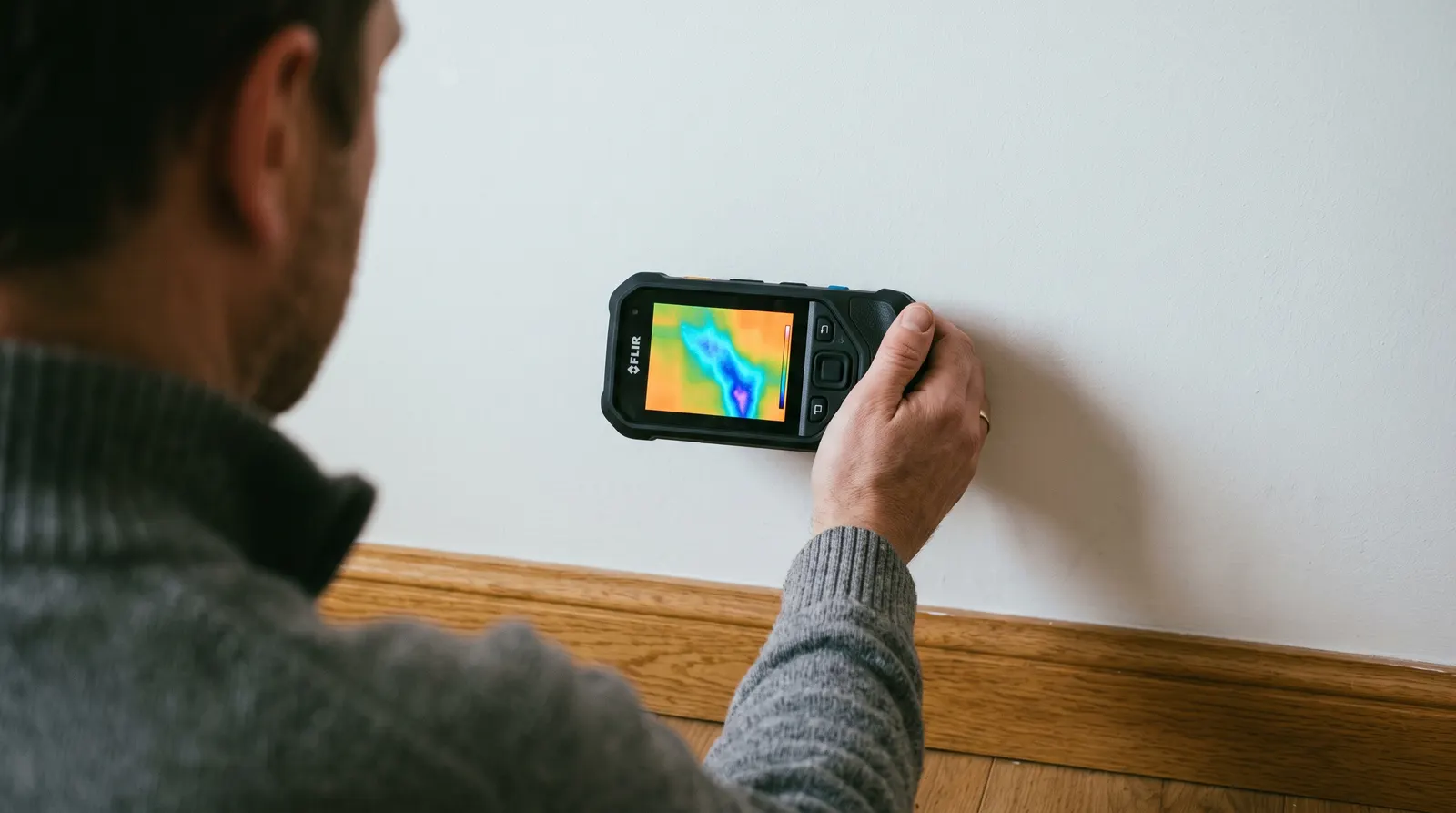
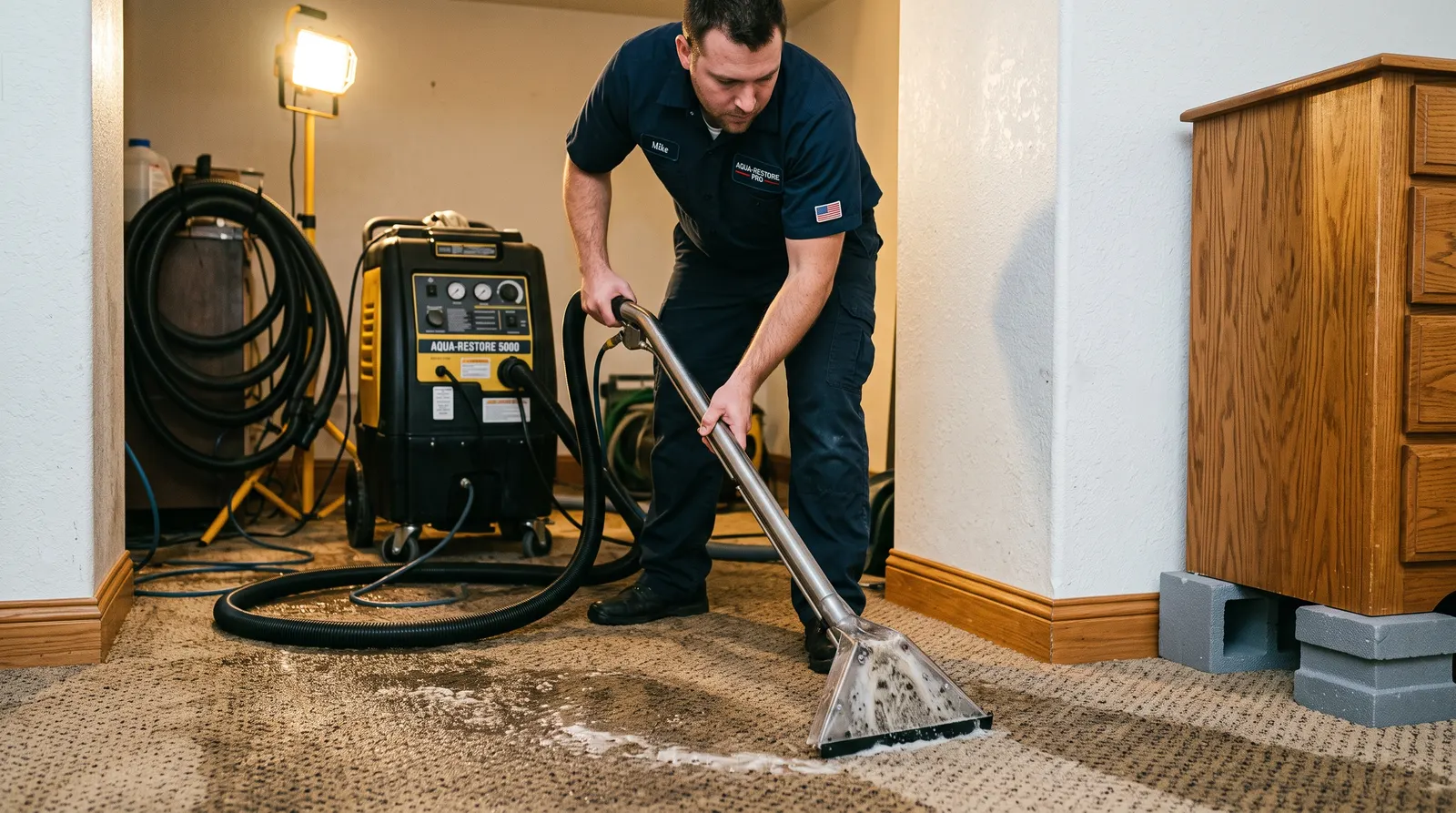
Many of the plumbing emergencies our readers face become water damage problems within hours. Restoration technicians who start where the plumber finished are welcome to pitch, and pieces written jointly by a plumber and a restoration tech are some of the most useful we could publish.
The questions a homeowner has at that point are practical: what to photograph before anything is moved, what they can dry themselves, and what needs professional equipment.
They also need to know when to tell the insurer. A guide that answers those in order, from someone who does the work, is exactly what the site is missing.
Hiring advice a plumber can give honestly
Homeowners rarely know what a fair plumbing call-out looks like, and they are most exposed when water is on the floor. Plumbers can help without naming prices, by explaining what a legitimate quote includes and what should raise a question.
- What a written quote should itemize before work starts.
- Which parts of a job can change once the wall or floor is opened, and why.
- What a homeowner should ask about licensing and permits in their state.
- When a second opinion is worth the wait, and when it is not.
Photographs and diagrams from real plumbing jobs
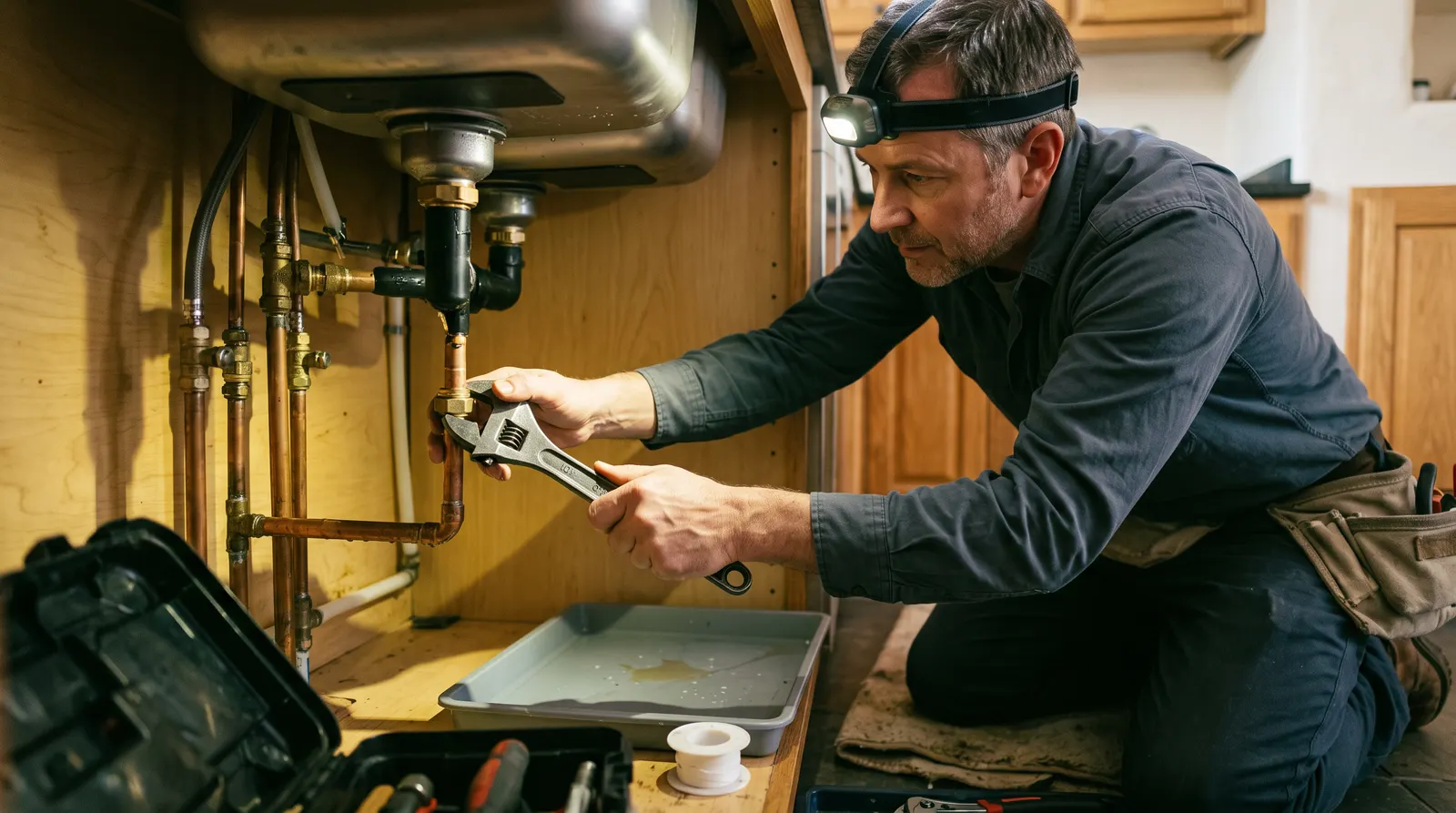
A photo of a corroded fitting, a failed wax ring or a frozen section of pipe teaches a homeowner more than a paragraph can. If you have job photos, include them with the pitch, with the homeowner’s permission and nothing that identifies the property.
Hand-drawn sketches are welcome too. A rough diagram of where a shut-off usually sits in a crawlspace is more useful than a polished stock image, and we will redraw it cleanly if needed.
Regional plumbing knowledge
Plumbing is local in ways a national article rarely admits. If your advice depends on where the reader lives, say so plainly and name the region you work in. The factors that change what a homeowner should do first include:
That regional detail is not a weakness in a guide. It is one of the clearest signals to a reader that a real plumber wrote it.
- Freeze risk and how pipes are insulated.
- Water hardness and what it does to fixtures.
- Older housing stock and the materials it used.
- Local code and permit rules.
Plumbing pitches we see too often
Most plumbing pitches we decline are not badly written. They are generic, because they were written for any site rather than for a homeowner in the middle of a failure. Knowing the common patterns saves you a round of email.
- A list of ten common plumbing problems, each covered in one paragraph.
- A drain cleaning guide that recommends chemical cleaners without the safety caveats.
- A water heater piece that treats gas and electric units as the same job.
- An article whose real purpose is a link to a plumbing company, with the advice added around it.
What a strong plumbing pitch looks like
One failure, one reader, one clear safety line. Tell us the symptom the homeowner notices, the two or three causes you actually find on call-outs, the checks they can safely make, and the point at which they should stop and call. Add your license type and state, and the sources you would cite for any safety claim.
That is enough for us to say yes or no quickly, and it is the outline most accepted plumbing guides end up following.
If you are unsure whether an idea fits, send the one-paragraph version anyway. A short no costs you less than a finished draft written for the wrong reader, and a pitch that is close usually comes back with the change that would make it a yes.
Why plumbing pieces tend to run long
A plumbing failure usually has more than one likely cause, and a guide that only covers the most common one leaves a homeowner stuck when it turns out to be the second. That is why our plumbing guides sit toward the long end of the range.
Length is not the goal. A tight guide that covers one failure completely is better than a padded one, and we will say so in the edit.
Before you pitch
See what is already published in our emergency plumbing guides, read the full contributor guidelines, and check how figures are sourced and corrected. If a paid placement is what you want, that is the page for sponsored plumbing placements, with different rules. This plumbing write for us page covers only what is specific to plumbing.
Editorial and partnerships
Pitch us a plumbing guide
Tell us your trade credential, where you work, and the plumbing failure you want to write about.