Exterminator cost runs from about $75 to $125 for a single rodent visit to $400 to $1,200 a year on a program, and stinging-insect jobs average about $385. Published averages and reported figures, side by side.
Exterminator cost runs from about $150 for a single rodent visit to $875 at the top of the stinging-insect range, and it is set by the pest and the treatment plan rather than by the property. A typical two visit rodent program lands around $300 to $400, and recurring plans are reported at $40 to $100 a visit.
Pest control plans are priced by property size and by pest, which is why exterminator prices for the same address differ so much. The our guide to household pests sorts the calls, bed bug work is the hardest pest to price, and Emergency Services 24H routes the job to licensed operators nearby.
Average cost varies by target. A mouse exterminator or rat exterminator quotes per visit or per program; a cockroach exterminator quotes bait placement plus a follow-up; a bed bug exterminator quotes by room. Termite work is quoted separately again, and a flea exterminator usually prices per treated area.
The numbers, by pest
What should pest control cost?
Rodent single visits commonly run $150 to $500, and a two visit program around $300 to $400. Stinging-insect jobs average about $385, with most homeowners paying $212 to $875. Recurring plans are reported at $40 to $100 a visit.
Those are published ranges and consumer-reported figures rather than a quote for your property. The variables underneath them are what the rest of this page covers.
Four questions before you agree
How to make two quotes comparable
01
Name the pest first
Price follows species, not square footage. A quote for an unidentified problem is a quote for the most expensive plausible treatment.
02
Ask how many visits are included
Some pests need a follow-up timed to a hatch cycle. That is biology rather than upselling, and it should be in the price rather than added later.
03
Ask what is excluded
Exclusion and sealing work, droppings cleanup and structural repair are frequently outside the treatment quote and inside the eventual bill.
04
Compare like with like
A one-off treatment with a guarantee and a twelve month plan are different products. Compare the total over a year, not the headline per-visit number.
What homeowners actually report paying
The commercial pages ranking for this query carry almost no figures. The forum threads underneath them carry plenty.
Reported single visits land as low as $75 to $125 in some markets and as high as $500 in others. Recurring packages are reported at $40 to $100 a visit, and annual programs between $400 and $1,200. One frequently cited contract structure came to about $920 in total: a $360 first visit followed by four monthly visits at $140.
Those are reported experiences rather than a price list, and the spread between them is itself the useful signal.
Why the pest sets the price
People expect house size to be the main variable and it mostly is not.
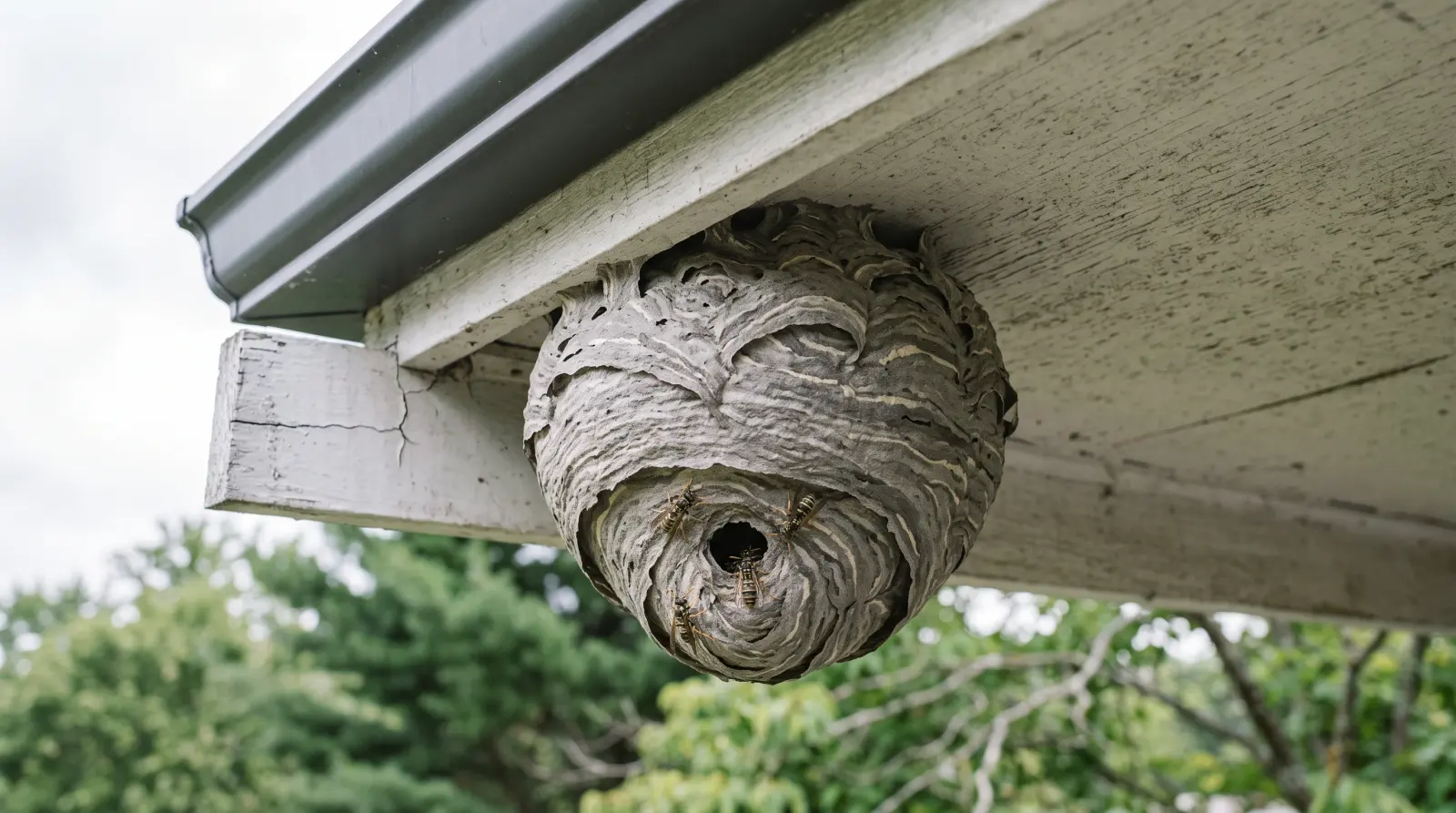
A wasp nest is a single treatment at dusk. German cockroaches need bait placement across harbourage plus a follow-up timed to the hatch cycle.
Rodents need trapping and then a separate exclusion visit to seal entry points. Three completely different plans, three completely different prices, one house.
DIY equipment costs, honestly
For one pest on this list the DIY route is genuinely competitive, and for the rest it is not.
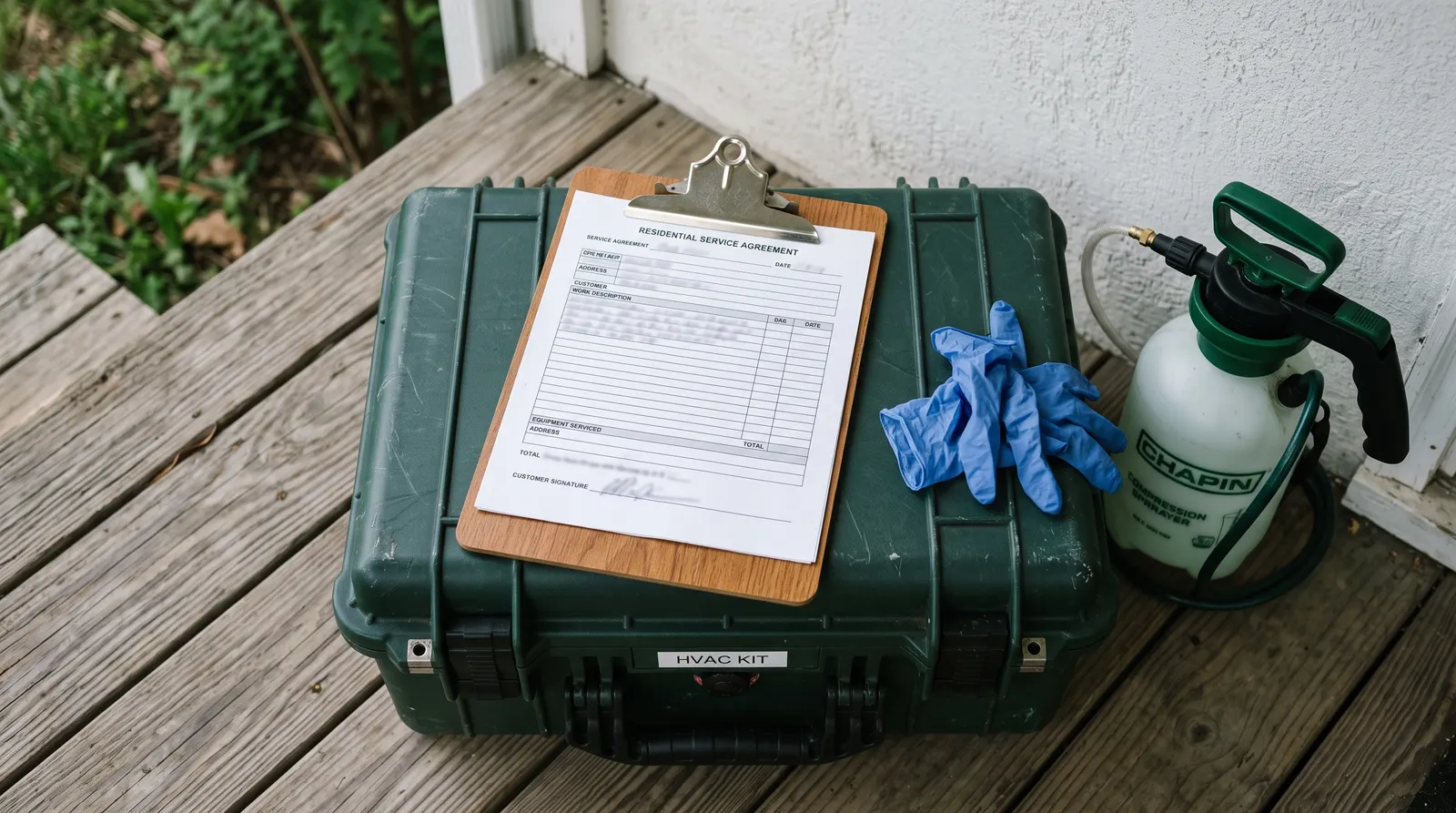
Wasps: equipment totals roughly $57 to $227, and a protective suit at $50 to $200 is most of it.
Rodents: traps are cheap and the time cost is real, and exclusion is the part people skip.
Roaches: consumer gel bait can work on light infestations and rarely on German cockroaches.
Bed bugs: DIY failure is common, and failure costs weeks of population growth.
Plans against one-off treatment
Is a plan better value than a one-off?
Per visit, always. Over a year, usually not.
The question to ask yourself is not which is cheaper, it is whether next spring will bring the same pest back regardless of what you do this month.
Why some pests need more than one visit
A second visit sounds like an upsell and usually is not.
Most treatments kill adults and leave eggs, which are protected by their casing. A follow-up timed to the hatch is what breaks the cycle, and it is the difference between suppression and elimination. Rodent work follows the same logic with different mechanics: trap first, then exclude.
What drives a quote up
Severity and duration: a population that has run for months is a bigger job than one caught early.
Access: crawl spaces, roof voids, height and awkward nest positions all add time.
Scope: whether exclusion and sealing work is inside the quote or quoted separately.
Species: German cockroaches and bed bugs sit at the expensive end for good reason.
An operator’s view adds two structural points to that list. Jonas Olson, who runs a multi-location pest control company, is explicit that general pest work is not flat-rated: it is priced on the home’s square footage or the lot size, because bigger homes take more time and bigger lots take more time and more product.
A quote given over the phone before anyone has asked the size of your property is a guess, whoever is giving it.
He also explains why the first visit costs more than the ones after it, which reads as an upsell and is not. The initial service is an inspection plus the first treatment, and in his description it usually takes about twice as long as a recurring visit.
He specifically coaches operators never to discount it - so if you are being offered a first treatment at a fraction of the recurring price, that is a marketing decision rather than a reflection of the work.
That gives you a floor signal worth having. Olson characterizes quotes at the very bottom of the market as unsustainably low - not as a bargain, but as a price that cannot cover the time and product the job needs.
We have not published his figures here, because they are operator-side averages across his own markets rather than consumer quotes and we could not verify them independently. The mechanism stands on its own: if one quote is dramatically below the others you have collected, the question to ask is what has been left out of it.
What is not included in the headline price
This is where most surprise invoices come from, and it takes one question to avoid.
Exclusion and sealing work is frequently a separate line. Droppings cleanup and sanitation may be extra. Structural repair from rodent damage, including chewed insulation and ductwork, is a different trade entirely and is almost never inside a pest quote.
Cleanup is not the same as treatment
Rodent cleanup carries a CDC protocol: never sweep or vacuum droppings, ventilate first, then spray, soak and wipe with paper towels.
Regional variation, honestly
Every figure on this page is a national average or a reported range, and local markets move considerably around both.
Labor rates differ, and so does pest pressure: rodent work in a cold northern winter and termite pressure in the humid south are different markets with different pricing. Two local quotes beat any national average, and this page is best used to tell whether those quotes are in a sensible band.
How to read a pest control quote
How many visits does this price include?
What exactly is guaranteed, and for how long?
Is the inspection fee credited against treatment?
Is exclusion and sealing work included?
Is droppings cleanup inside the price?
Do we need to leave the property, and for how long?
When paying is clearly the right call
Three cases where the arithmetic stops being close.
Bed bugs, because DIY failure is common and expensive in time. Any nest where someone in the household has a sting allergy. And rodents inside a wall cavity, roof space or crawl space, where the work is as much about access and exclusion as it is about traps.
Emergency pest call-outs carry a premium like any trade. Most pest problems, unlike plumbing ones, genuinely can wait a day.
Exterminator cost by pest and by structure
Indicative US ranges. Always get a written quote.
Job
Typical range
Notes
Wasp nest removal
~$385 average
Most homeowners pay $212–$875
Wasp DIY equipment total
$57–$227
Spray $3–$20, killer $4–$7, suit $50–$200
Rodent single visit
$150–$500
Consumer-reported, varies widely by market
Rodent two-visit program
~$300–$400
Typical single-family outcome
Recurring plan, per visit
$40–$100
Monthly or quarterly, reported
Annual program
$400–$1,200
Consumer-reported range
Source: Lawn Love 2026 wasp nest removal cost data and This Old House mice exterminator cost data, including consumer-reported figures marked as reported (retrieved August 2026). Figures vary by region and timing.
Figures last checked
The second row is the honest comparison for wasps. For every other pest here, the DIY column does not exist in a form worth pricing.
How the matching works, and what we do not do
Emergency Services 24H is a referral service. We do not employ pest control technicians, we do not treat properties, and we do not sell plans.
Your request routes to licensed, insured technicians covering your area, and they contact you directly. Every figure here is a published range or a consumer-reported experience, not a quote for your property.
What homeowners actually ask
What homeowners report paying
Drawn from real public forum threads and reported prices, summarized and attributed as patterns.
These are not reviews of this site, and no names or ratings have been invented.
“How much does everyone pay for pest control? Also, is it worth it or should...”
SourceThread title, r/homeowners, surfaced in the discussions block for this exact query. The replies carry more usable pricing than any of the ten ranking pages.
“An Orkin contract totalling about $920: $360 first visit plus four monthly follow-ups at $140”
SourceA consumer-reported contract structure collated from forum discussion. Quoted as a reported example rather than as a typical price for your property.
“Single visits reported around $75 to $125 in some markets”
SourceConsumer-reported figures aggregated by This Old House alongside the wider $150 to $500 range. The spread is real and reflects regional variation more than anything else.
1 / 3
The contract example is worth reading closely. The headline first-visit price and the total over the year are very different numbers, and the second one is the decision.
Cited source~0:10
On why an unusually low recurring price does not hold: the operator who quoted it raised it to a rate that covers the visit.
“customers were paying less than $50 for mosquito treatment. Today, some of those same customers are paying over $129”
JO
Jonas Olson
Pest control company founder, seventeen years in the industry
Pest Badger, 2026
Bias to weigh: Describes his own company’s pricing strategy to other operators.
An independent source we cite. Not affiliated with Emergency Services 24H, and not a network contractor.
A single accessible wasp nest with no allergy in the household
Mouse trapping in an accessible room
Sealing entry points you can reach
Sanitation and clutter reduction for roaches
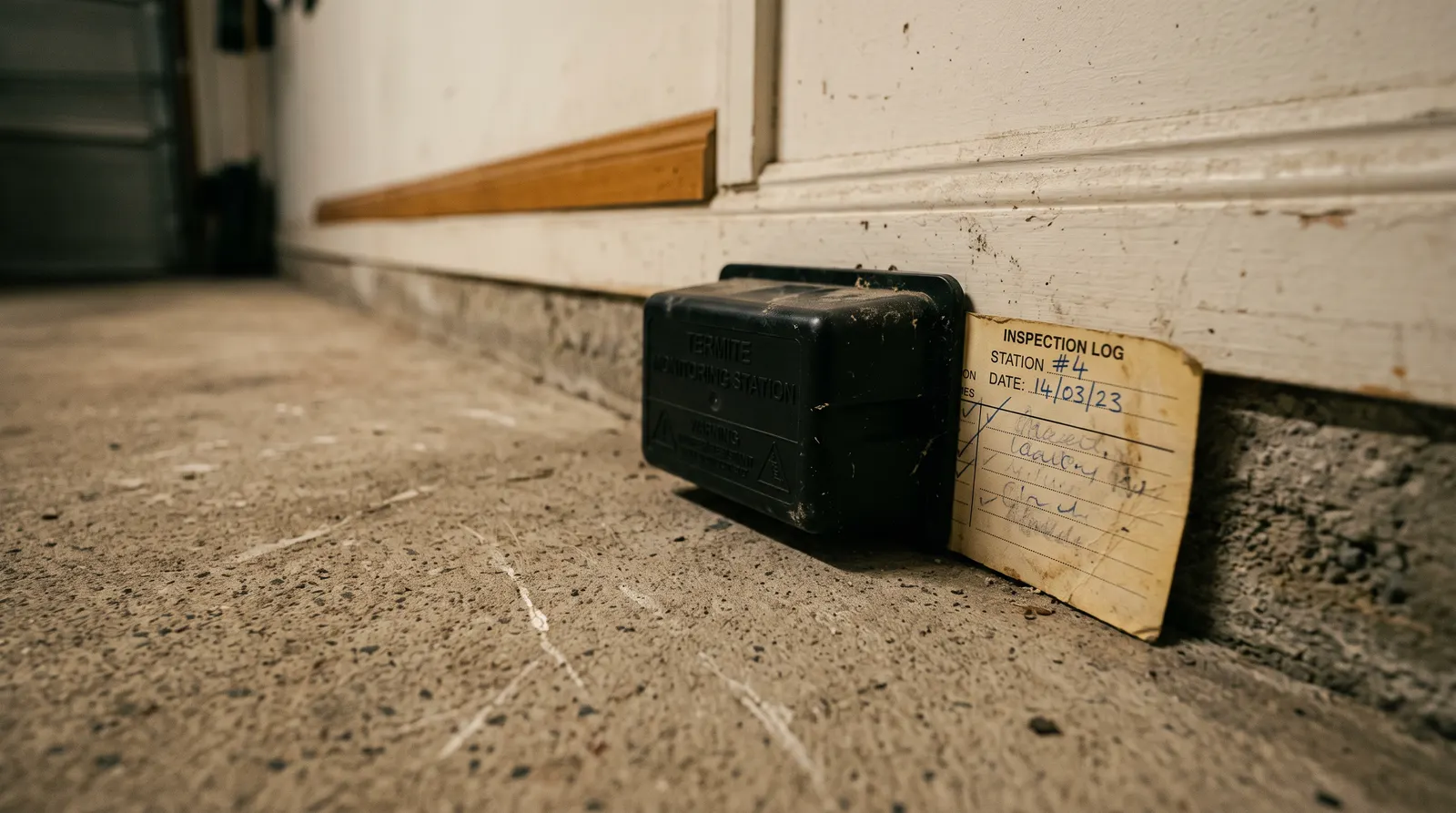
Interceptor monitoring for suspected bed bugs
Call a pro now
Bed bugs, at any scale
German cockroaches in a shared building
Rodents in a wall cavity, roof space or crawl space
Any nest where a sting allergy is present
Anything you have already treated once without success
24/7 dispatch network
Get a licensed pest control technician moving on this
Tell us which pest and what you have seen. Licensed, insured technicians covering your area will contact you directly. No obligation to hire and no obligation to accept a quote.
Fire, a gas smell, or an injury? Leave the building and call 911 first, then your gas
utility or power company. Use this form once you are safe.
Straight answers
Frequently asked questions
The questions homeowners actually search for on this problem, answered in plain language.
Reported single visits run about $75 to $125, with $150 to $500 typical all-in, and a two-visit program often lands around $300 to $400.
What do exterminator prices look like for roaches?
A cockroach exterminator prices bait placement plus a timed follow-up rather than a single spray, so expect at least two visits in the quote.
What does bed bug work cost?
Bed bugs cost more than any other household pest, because the cost for bed bug treatment is quoted by room and usually needs a heat treatment rather than a spray.
Are annual pest control plans worth it?
For recurring pests, yes: annual programs run about $400 to $1,200 and cover repeat visits. For a one-off wasp nest at about $385, a single treatment is the cheaper route.
How much does an exterminator cost?
It depends on the pest. Wasp nest removal averages about $385 nationally with most homeowners paying $212 to $875. Rodent single visits commonly run $150 to $500, and a typical two visit rodent program lands around $300 to $400 for a single-family home.
Are exterminators worth the money?
For pests with a health dimension or a fast reproduction rate, generally yes, because the cost of failure is another month of infestation. For a single accessible wasp nest with no allergy in the household, DIY equipment totalling roughly $57 to $227 is a reasonable alternative.
How much does pest control cost per month?
Consumer-reported figures for recurring plans commonly fall between $40 and $100 per visit, with annual programs reported between $400 and $1,200 depending on frequency and pest. Those are reported ranges rather than a quote for your property.
Why do they want to come back a second time?
Usually biology rather than upselling. Many treatments kill adults and not eggs, so a follow-up visit is timed to the hatch cycle. Rodent work has a similar structure: trapping first, then an exclusion visit to seal the entry points that let them in.
Is a pest control plan cheaper than one-off treatment?
Per visit yes, and in total over a year usually not. A plan suits a property with ongoing pressure such as a rural boundary or a shared building. A single identified problem is normally better handled as a one-off with a guarantee attached.
What is not included in the price I was quoted?
Commonly exclusion and sealing work, droppings cleanup and sanitation, and any structural repair from rodent damage. Ask specifically which of those are inside the quote, because the difference between treatment and exclusion is where most surprise invoices come from.
What a treatment plan covers
Follow-up visits
Ask what a treatment includes in follow-ups and what the re-treatment guarantee covers. That is where quotes really differ.
Tell us what has failed and how soon you need someone. We route your request to licensed, insured contractors covering your area, and they contact you directly.
Fire, a gas smell, or an injury? Leave the building and call 911 first, then your gas
utility or power company. Use this form once you are safe.