Water Damage and Restoration
Water Damage Restoration Without the Guesswork
Water damage restoration is priced per square foot by contamination category: about $3 to $4 for clean water and $7 to $7.50 for sewage (Bob Vila, read 2026-07-22). One deadline governs the rest. Materials dried inside 24 to 48 hours mostly do not grow mold, and after that the job changes.
24/7 dispatch network
Request a licensed contractor now
Fire, a gas smell, or an injury? Leave the building and call 911 first, then your gas utility or power company. Use this form once you are safe.
The stakes, in real numbers
Why the first ten minutes matter
Every figure is sourced
- 51,000
- home electrical fires a year in the US
- 48h
- window before mold can start after water damage
- 200+
- US deaths a year from consumer-product carbon monoxide
- $25,000
- damage from just one inch of flood water
Source: ESFI
Source: EPA
Source: CPSC
Source: NFIP
Water damage restoration is extraction, drying and decontamination, priced by how contaminated the water is: $3 to $4 per square foot for clean water, $7 to $7.50 for sewage (Bob Vila, read 2026-07-22). Materials dried within 24 to 48 hours will in most cases not grow mold.
If the water is still arriving, stopping it comes first, and the emergency plumbing guide covers the shut-off. Everything here routes through Emergency Services 24H to licensed contractors nearby.
That sentence is the whole reason this is urgent. Nothing else on this page has a deadline attached to it.
“you'll have a contractor who determines category three… does demolition of its category three, bills of its category three, and you start going through the photographs and they're doing all the tear out in sneakers and shorts, no PPE.”
The first fifteen minutes
Do these four things, in this order
- 01
Power before water
Isolate the circuits from a dry position, or have the power company cut supply at the meter. Never wade to reach a panel.
- 02
Stop the source
Close the main valve for a supply failure. For groundwater the source stops when the weather does, so extraction is the priority.
- 03
Photograph before you move anything
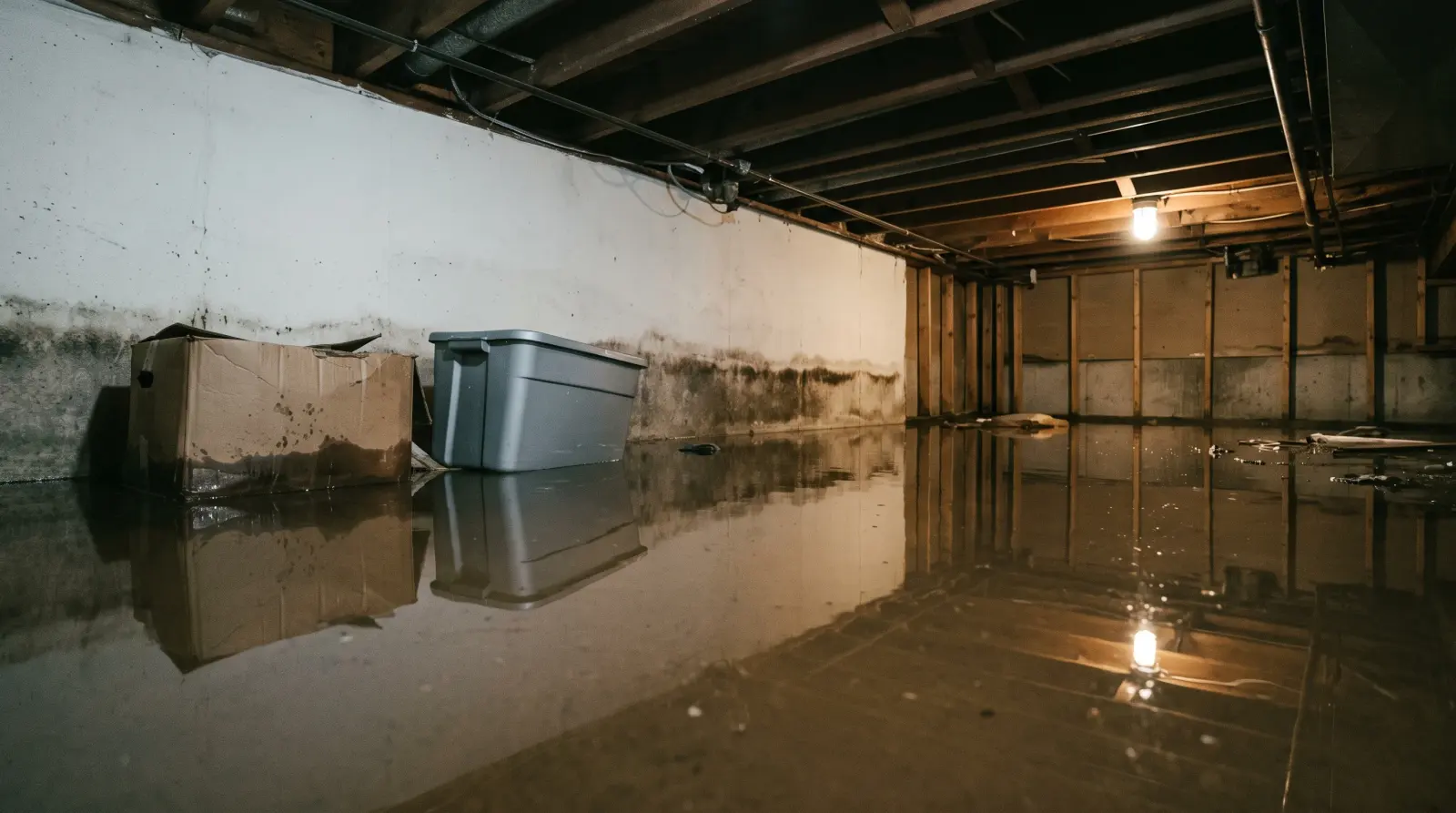
Wide shots then close shots, including the water line. Adjusters work from this, and it takes ninety seconds.
- 04
Extract, then move air
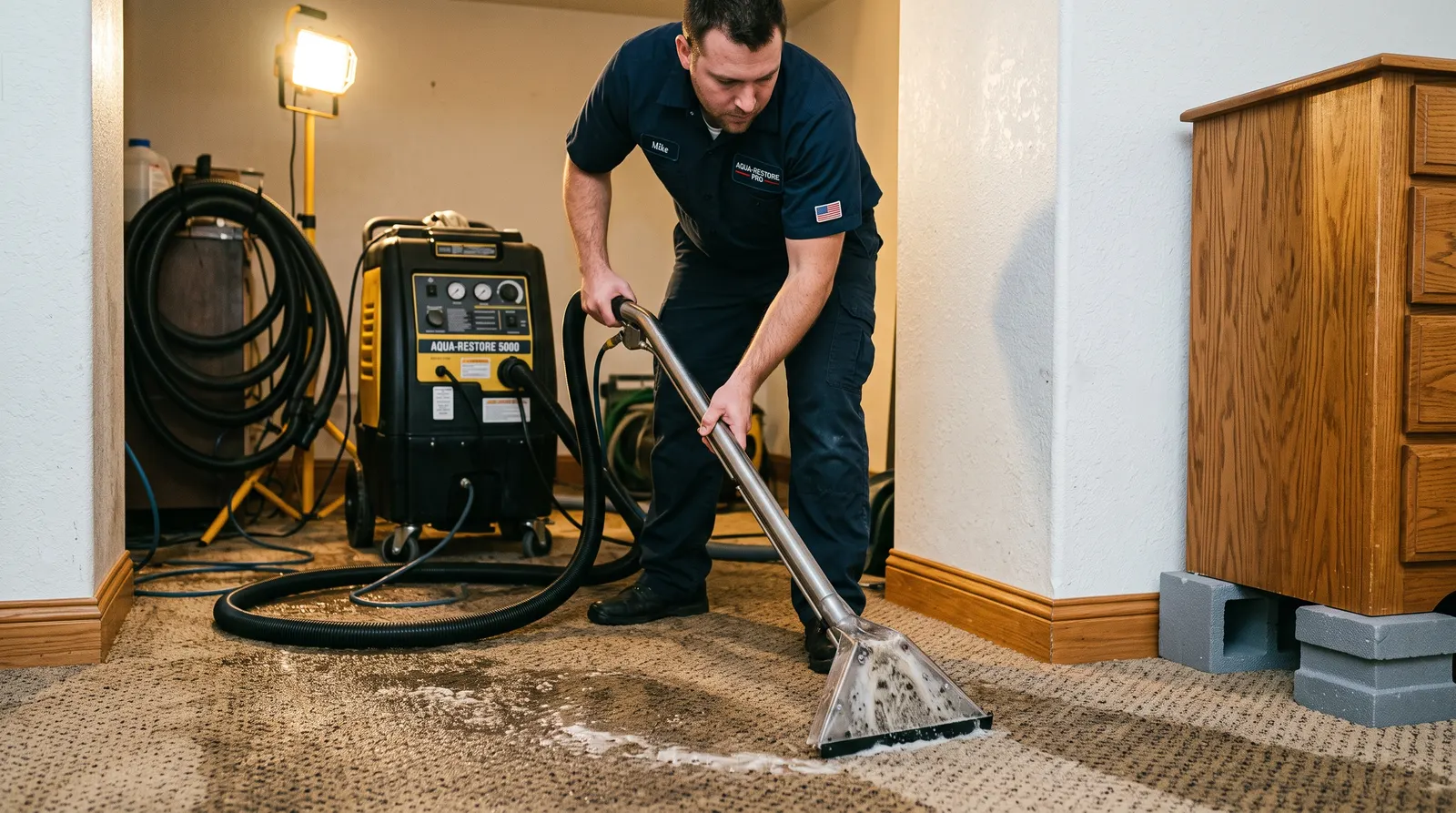
Standing water out first with a pump or wet vacuum, then air movers and a dehumidifier.
The 24 to 48 hour clock
How long before mold becomes a problem?
The EPA puts it at 24 to 48 hours: if wet or damp materials are dried within that window after a leak or spill, in most cases mold will not grow. The clock starts when the material gets wet, not when you notice.
Two consequences follow, and they are the two things people get wrong.
The first is that waiting for an adjuster before you start drying is a mistake. Emergency mitigation is normally expected by the policy and normally claimable, and the clock does not pause while paperwork happens. Photograph, then dry.
The second is that a surface that feels dry is not evidence. Water tracks into wall cavities, under laminate and along joists, and those spaces are where the clock keeps running after the visible floor looks fine.
Do not enter standing water near electrics
Water in contact with outlets, an appliance or the panel is the one situation where the drying clock stops mattering. Isolate the affected circuits from a dry position, or have your power company cut supply at the meter, which they do free.
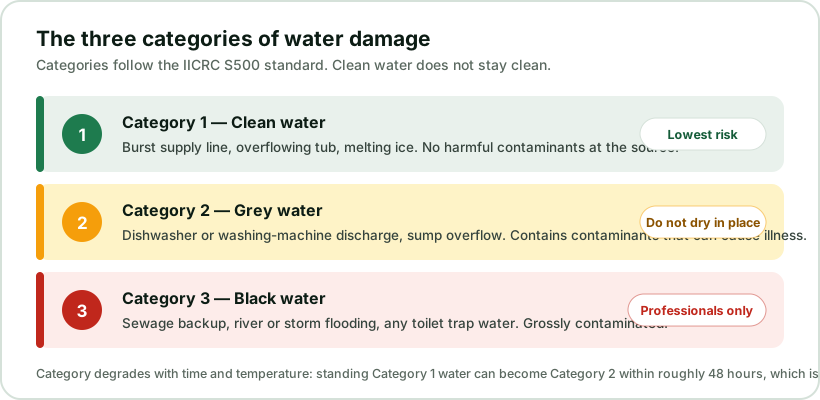
Category 1, 2 or 3: what your water actually is
- Category 1, clean water. A burst supply pipe, an overflowing sink, rainwater that has not touched anything contaminated. Low health risk, cheapest to restore.
- Category 2, grey water. Dishwasher and washing machine discharge, a toilet overflow with no solids, water from a failed water heater. Some contamination, more materials discarded.
- Category 3, black water. Sewage, sewer backup, river or storm flood water, or any water that has sat long enough to grow biological contamination. Genuine health risk and roughly double the price of Category 1.
Those categories come from ANSI/IICRC S500 and turn on origin rather than appearance. Restoration instructor Darren Foote’s warning is the one to carry into a walkthrough: you can have pristine, beautiful, crystal-clear water that could kill you.
Anything backing up from beyond a trap is Category 3 regardless of color, as is flood water from a river or the sea.
Most consumer pages get the next detail backwards. There is no automatic time-based escalation in the current standard: an older edition carried a chart moving clean water to Category 2 after two days, and it was removed.
Foote is explicit that clean water flowing into a clean building does not change category by touching carpet or the back of a sheet of drywall.
That cuts both ways. The 24 to 48 hour clock is a drying deadline, not an automatic doubling of the bill, so a contractor upgrading a clean-water loss because a day has passed is exercising judgement.
The reverse holds too: a fast response is not proof the water is clean.
In this guide
Everything in the water damage guide
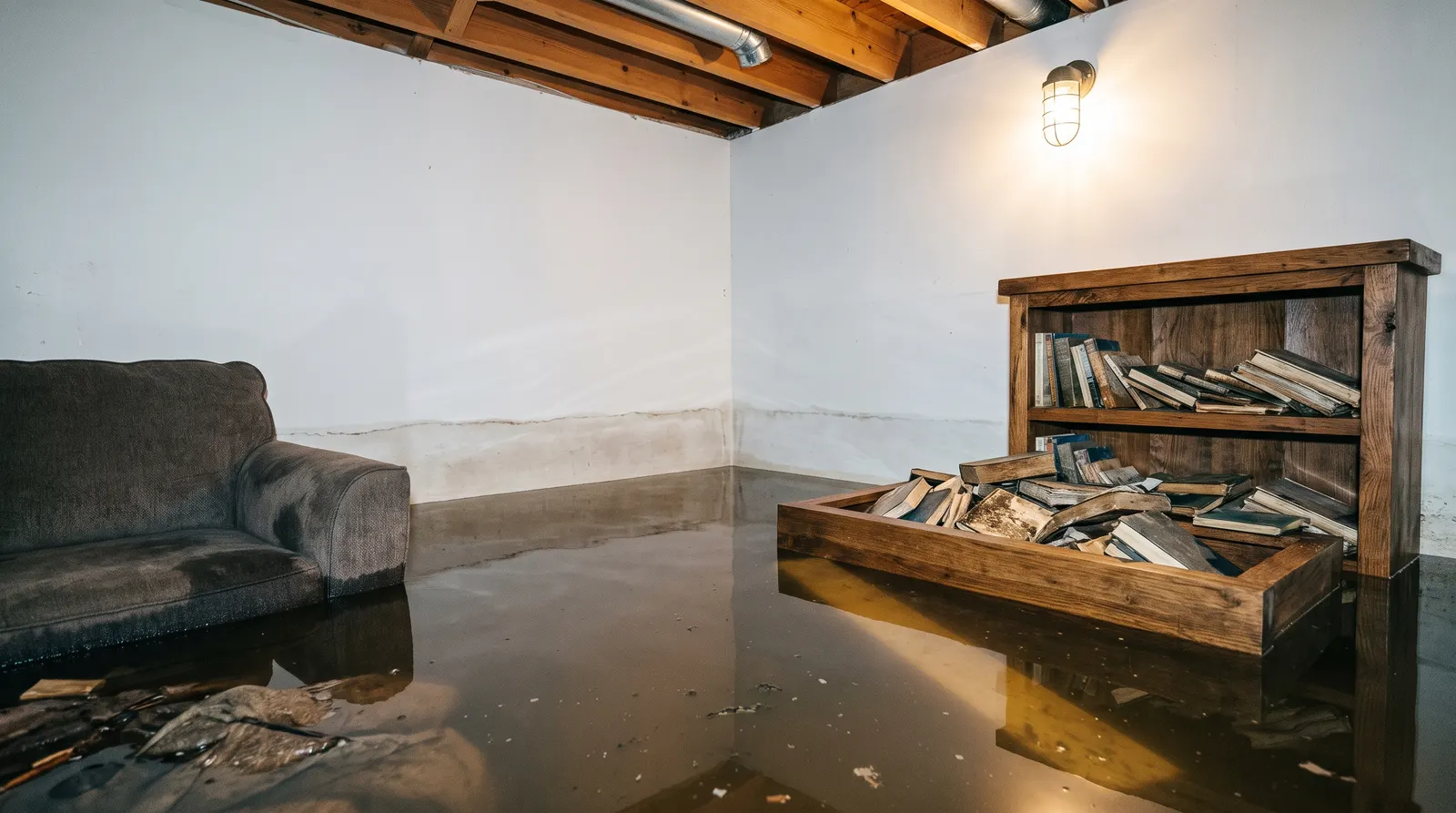
Flooded basement: what to do
The power rule before you step in, extraction order, and how long drying really takes.
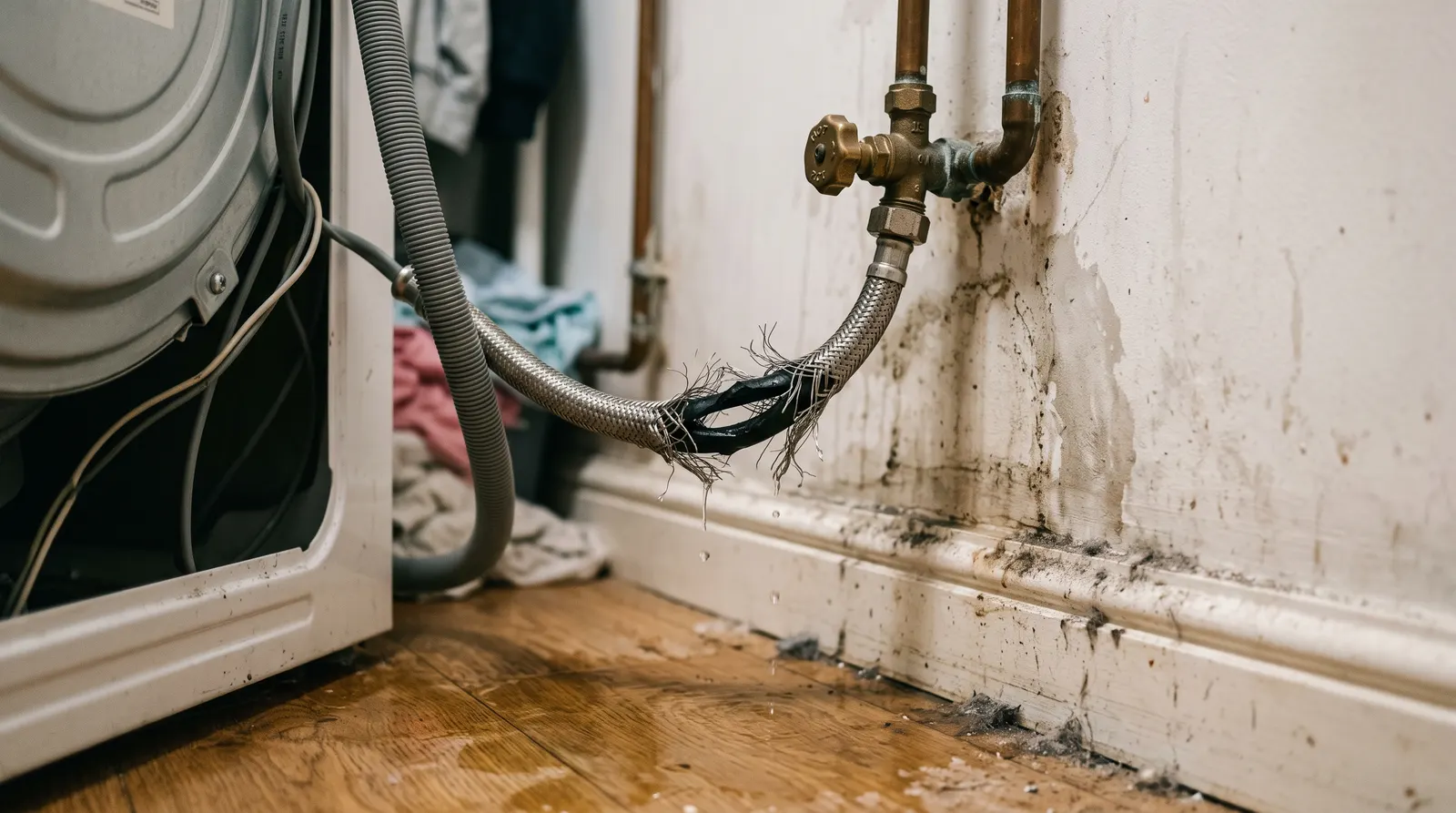
Does homeowners insurance cover water damage?
Sudden and accidental versus gradual, and the two exclusions people find out about late.
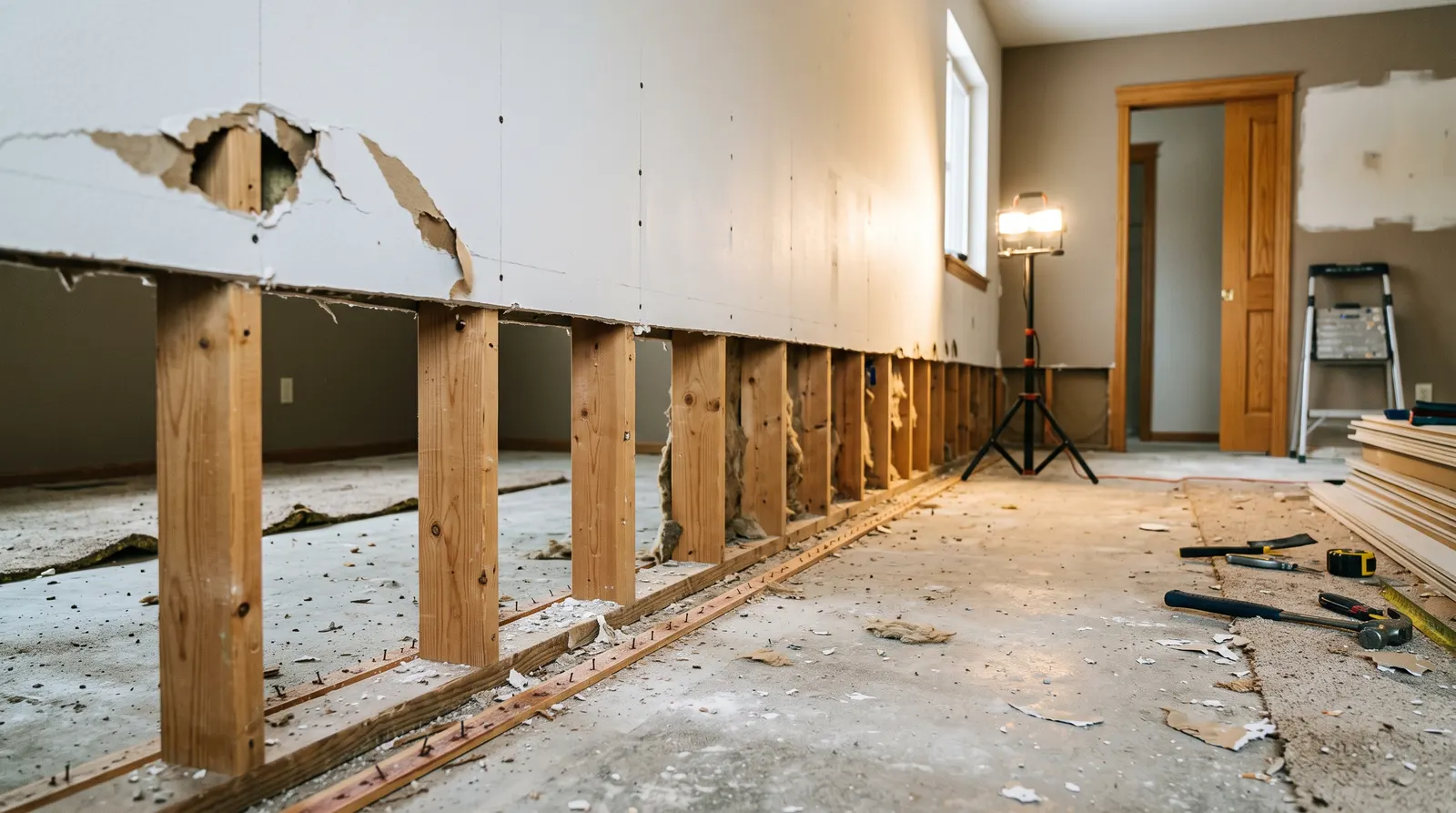
What water damage restoration costs
Per square foot by contamination category, plus what the average job actually comes to.
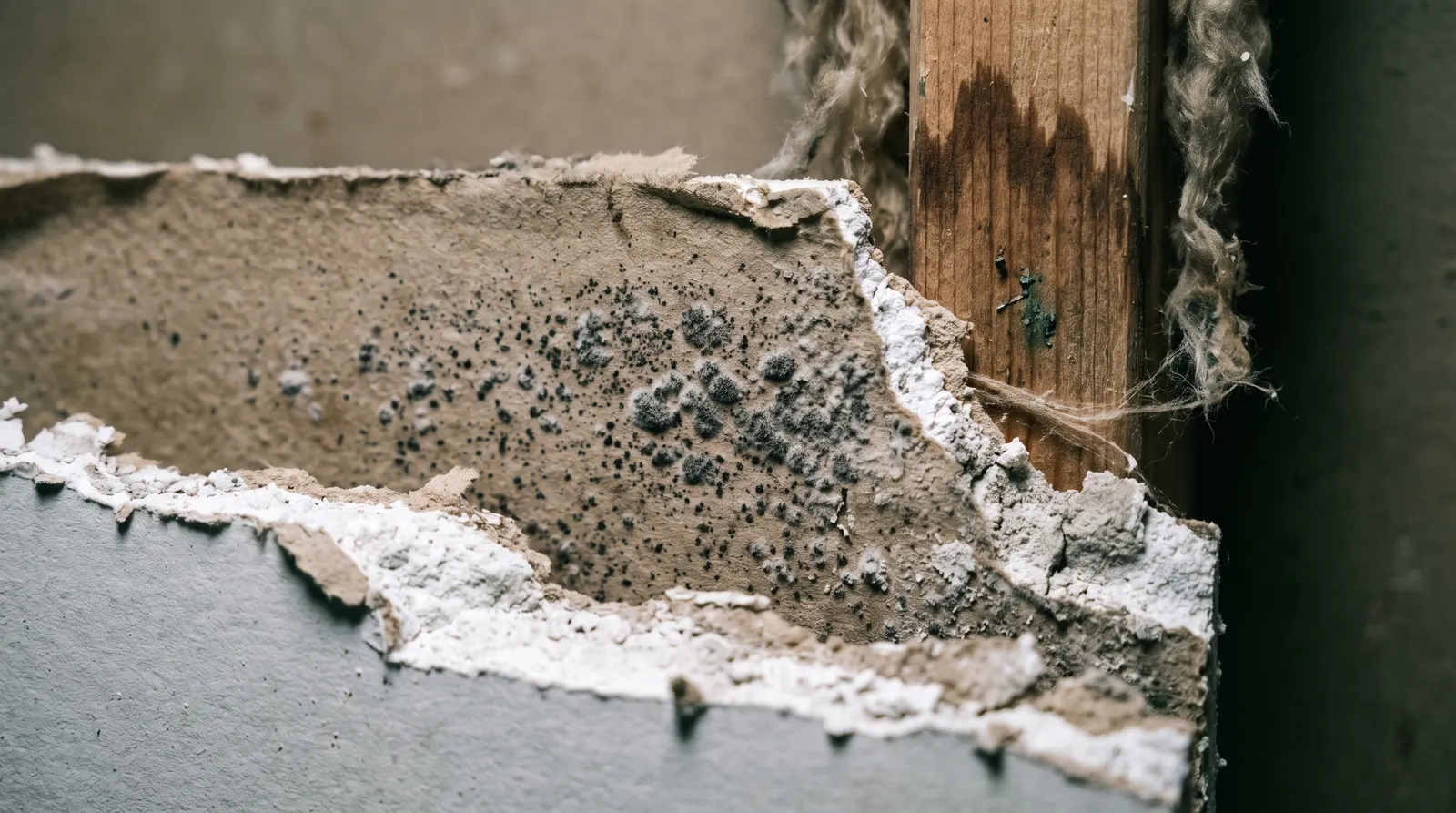
How fast mold grows after water damage
The EPA 24 to 48 hour window, what starts the clock, and when it stops mattering.
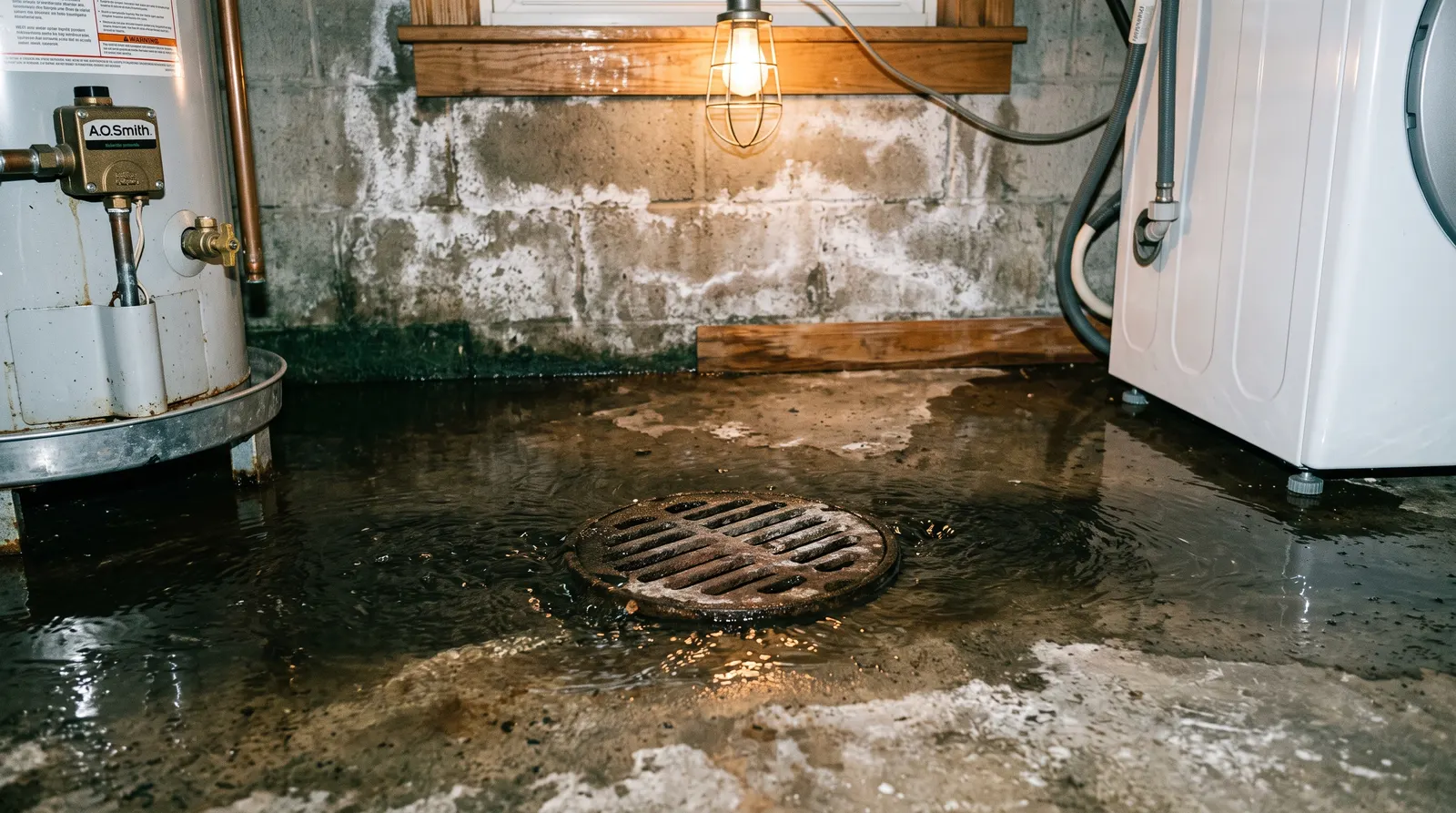
Sewage backup cleanup
Category 3 water: what has to be discarded, what protection is needed, and the cost.
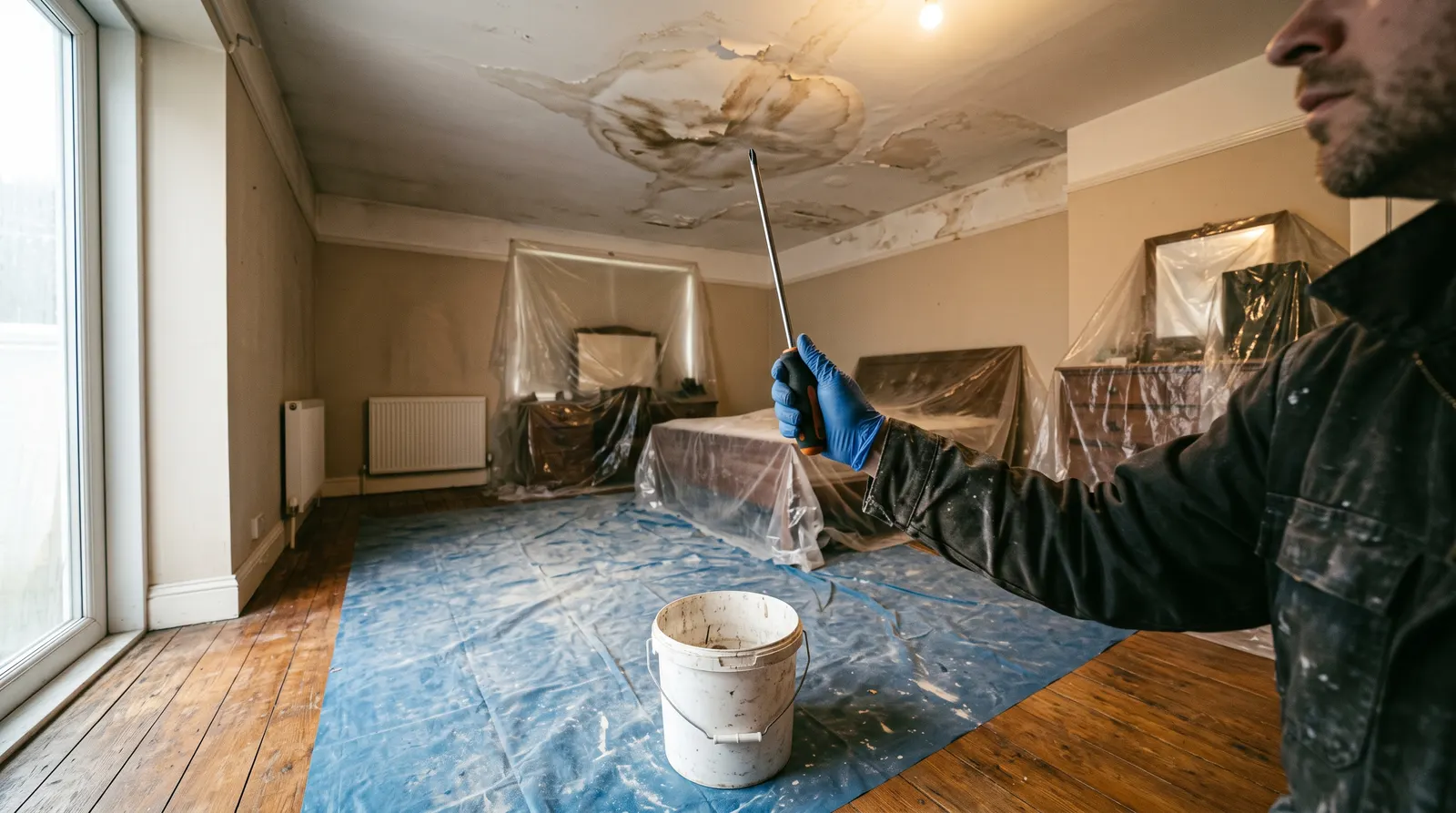
Water damage on the ceiling
Reading a stain, the sag that means get out from under it, and finding the source.
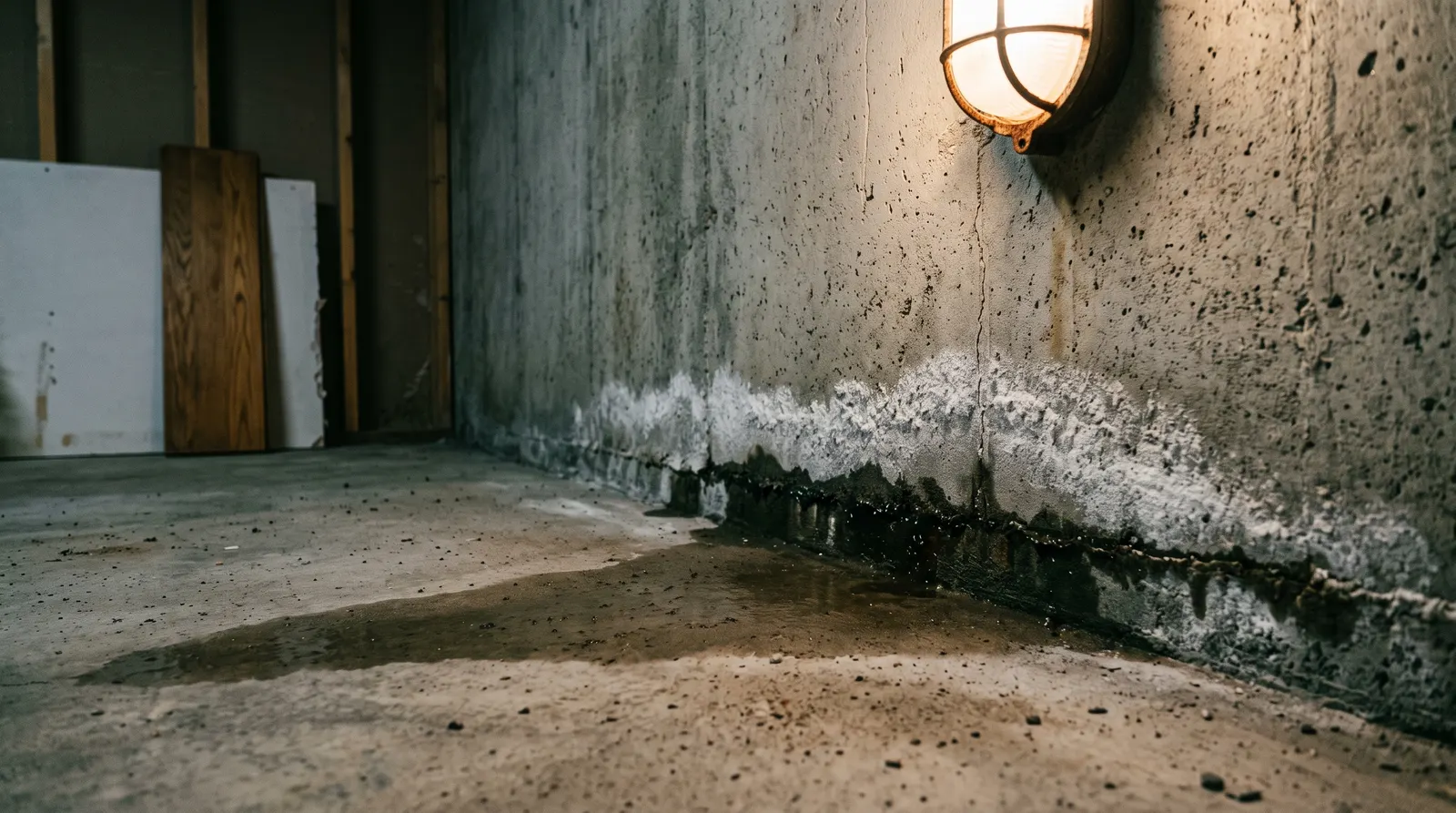
Water in the basement after rain
Why it recurs, what is groundwater rather than a leak, and the insurance consequence.
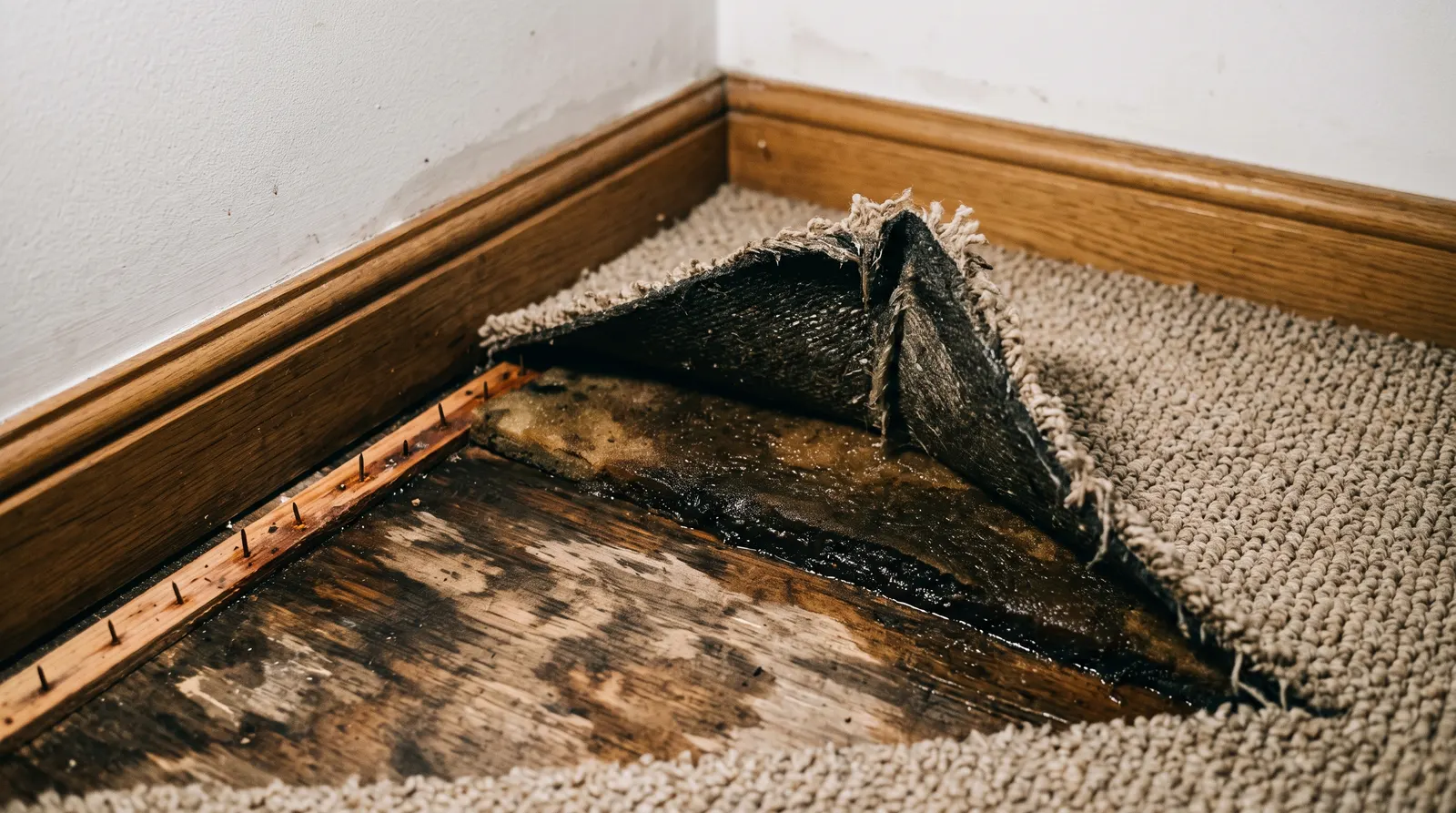
Wet drywall and carpet: save or toss
What survives a soaking, what never does, and where the cut line goes.
What restoration costs per square foot
Indicative US ranges. Always get a written quote.
| Job | Typical range | Notes |
|---|---|---|
| Category 1, clean water | $3–$4 / sq ft | Supply-line water, no contamination |
| Category 2, grey water | $4–$6.50 / sq ft | Read 2026-07-22. Appliance and washing machine water |
| Category 3, black water | $7–$7.50 / sq ft | Read 2026-07-22. Sewage and flood water |
| National average job | ~$3,455 | Read 2026-07-22. Typical range $1,305–$5,707 |
| Mold remediation | ~$2,200 average | Read 2026-07-22. Separate from drying and extraction |
| Drywall replacement | $1.50–$3 / sq ft | Where cavities were wet |
Source: Bob Vila 2026 water damage restoration cost data; consumer-reported figures from published cost aggregators, marked as reported (retrieved August 2026). Figures vary by region and timing.
Figures last checked
Per square foot pricing is how this trade quotes, and the category tells you which row you are in before anyone arrives. A 400 square foot basement of clean water is a different conversation from the same basement of sewage.
Full breakdown by area, including ceilings, bathrooms and drywall replacement, sits in our guide to what restoration costs by area.
How long drying actually takes
Wall cavities and subfloor take longer, which is why contractors take daily moisture readings rather than judging by touch. Hold indoor humidity below 60 percent, ideally 30 to 50 percent (EPA mold guidance, read 2026-09-05), while drying runs.
The rest of the clock detail is on our page about how quickly mold takes hold.
24/7 dispatch network
Get a licensed restoration contractor moving on this
Tell us what happened and where you are. Licensed, insured restoration contractors covering your area will contact you directly. Submitting costs nothing and there is no obligation to hire.
Fire, a gas smell, or an injury? Leave the building and call 911 first, then your gas utility or power company. Use this form once you are safe.
Know the line
Safe to check yourself, or call a pro now
Safe to check yourself
- Cutting power to a wet area from a dry position
- Photographing everything before it is moved
- Extracting small volumes of clean water with a wet vacuum
- Running fans and a dehumidifier on a small, clean-water spill
- Cleaning a mold patch under about 10 square feet, per EPA guidance
Call a pro now
- Any sewage, flood or Category 3 water
- Water that has reached wall cavities, subfloor or a ceiling
- Mold over about 10 square feet
- Anything where an occupant has asthma, a mold allergy or immune suppression
- Any area still wet after 48 hours of your own drying
What insurance covers, and what it does not
Is water damage covered by homeowners insurance?
Sudden and accidental water damage is generally covered: a burst pipe, an overflowing toilet, a failed washing machine hose. Gradual leaks and seepage generally are not. Flood is excluded from standard policies entirely, and sewer backup usually needs an endorsement.
The Texas Department of Insurance puts the distinction plainly, and the same structure applies across most US policies: the question is not how much water there was, it is whether the cause was sudden.
That is why the most valuable piece of paper in a water claim is often a plumber’s letter stating the failure was sudden rather than long-standing. It costs nothing to ask for it while they are already there.
The flood exclusion people discover too late
Standard homeowners policies do not cover flood at all: it is a separate product, and in the US that means an NFIP policy.
FEMA’s FloodSmart program notes one inch of water can cause about $25,000 of damage, and NFIP policies carry a 30-day waiting period.
Thirty days is the part that catches people: a policy bought when the forecast turns does not cover that storm. Detail is on our page on what insurance covers.
What water damage restoration actually involves on site
Knowing the sequence makes the invoice readable and the visit less alarming.
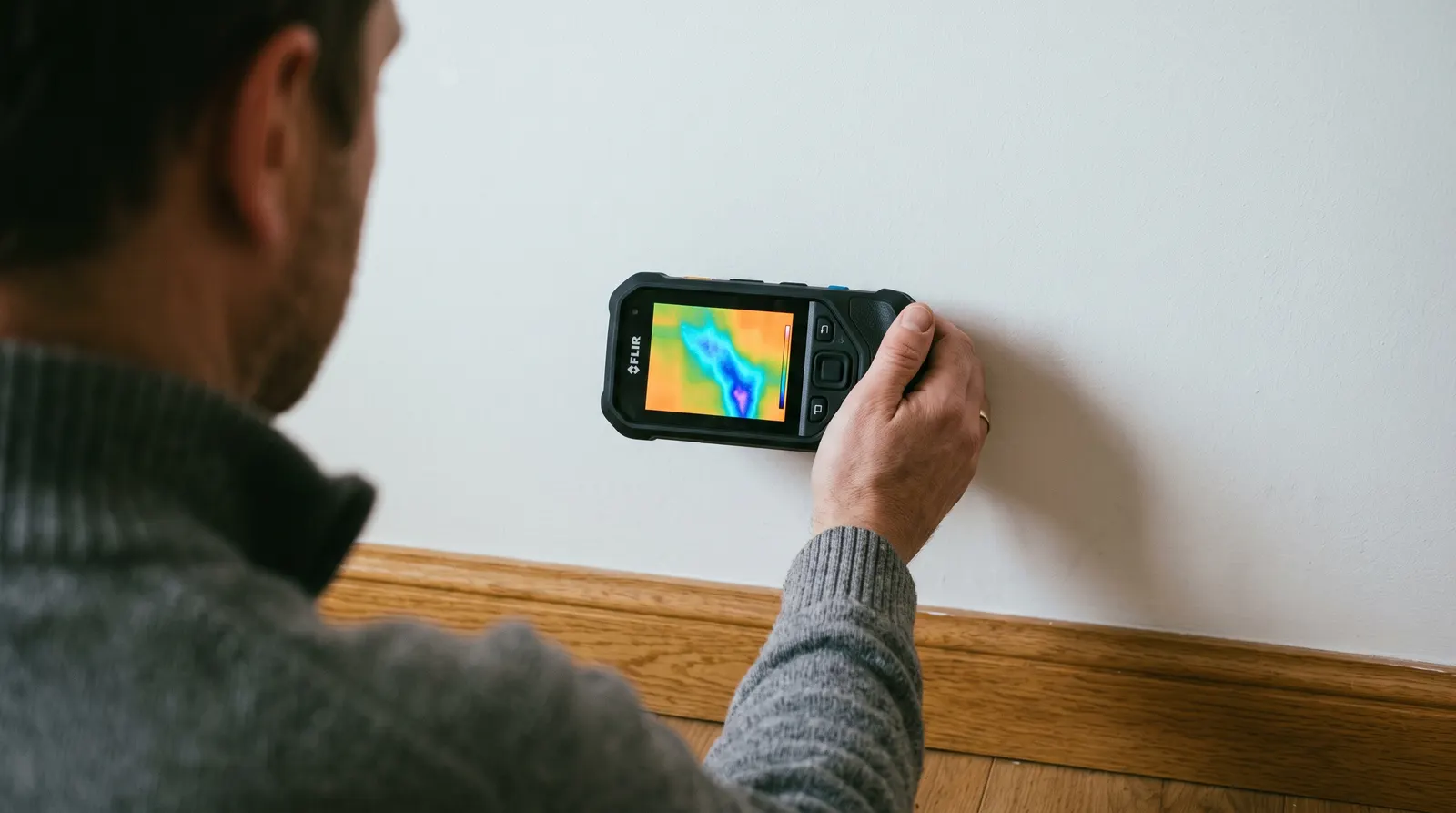
They start by mapping moisture with meters and sometimes thermal imaging, which shows how far the water travelled rather than how far it looks like it did. Extraction follows, then air movers across wet surfaces and dehumidifiers sized to the space.
Selective demolition follows where cavities are wet: baseboard off, holes drilled into wall bases, sometimes a cut line. Then daily readings until the materials hit a dry standard.
When you can dry it yourself
The EPA gives a number for the mold question, which is unusually useful in a field full of vague advice.
An area of mold under about 10 square feet is usually a job you can handle. The CDC adds that people with asthma, a mold allergy, immune suppression or chronic lung disease should not do this work at all.
For hard surfaces the CDC gives a dilution: one cup of household laundry bleach per gallon of water, never mixed with ammonia.
What homeowners actually ask
What homeowners report
Drawn from real public forum threads and reported prices, summarized and attributed as patterns. These are not reviews of this site, and no names or ratings have been invented.
“Insurance is refusing to cover water damage from...”
“Confused about a home insurance claim involving water damage”
“New homeowner here, please help, my basement is flooding”
“Homeowners report paying roughly $1,361 to $6,270 (reported range, read 2026-07-22) for professional restoration”
1 / 4
The pattern across the insurance threads is consistent: claims are refused on cause rather than amount. Documenting that the failure was sudden, on the day, separates the two outcomes.
How the matching works, and what we do not do
Emergency Services 24H is a referral service. We do not employ restoration technicians and we are not an insurance adviser.
Your request routes to licensed, insured contractors covering your area, and they contact you directly. Every coverage question on this page is descriptive, and your own policy and adjuster are the only authority on your claim.
The form the crew hands you at two in the morning
Mitigation crews often arrive with an assignment of benefits, which transfers your claim so they can bill the insurer directly. In Florida, on a residential policy issued from 2023, the statute says a policyholder may not assign post loss benefits.
The detailed regime governing these agreements applies only to policies issued between mid 2019 and the end of 2022, on the issue date rather than the date of loss.
What this does not say: Florida only, and the cut-off runs on the POLICY issue date, not the date of loss or the date of the assignment.
Florida Statutes s. 627.7152 - Assignment agreements (accessed 2026-09-05)
Straight answers
Frequently asked questions
The questions homeowners actually search for on this problem, answered in plain language.
Browse all guidesWhat does a restoration company actually do on site?
Extraction, then demolition of what cannot be dried, then air movers and dehumidifiers with daily readings, then verification against an unaffected baseline. Rebuild is usually a separate contract.
How fast does a restoration crew need to arrive?
Inside the 24 to 48 hour window that decides whether materials grow mold. A crew that arrives in four hours and starts extraction beats a lower rate tomorrow.
What should I photograph before the crew arrives?
The room wide, the failed component close, the water line, anything stored on the floor. Dated images taken before anything moves are the evidence of cause.
Do I have to sign what the crew hands me at 2am?
No. Read what you are signing, especially anything that assigns your claim. In Florida a post-loss assignment on a policy issued from 2023 is void by statute; elsewhere it is still your claim to give away.
How long does water damage take to dry out?
Three to five days with commercial air movers and a dehumidifier running continuously, longer where water reached cavities. The start matters more than the total.
How much does water damage restoration cost?
Roughly $3 to $4 per square foot for clean water, $4 to $6.50 for grey and $7 to $7.50 for black water, with a national average job around $3,455 (Bob Vila, read 2026-07-22). Mold remediation averages about $2,200 on top.
Does homeowners insurance cover water damage?
Generally yes for sudden and accidental damage such as a burst pipe, and no for gradual leaks. Flood needs an NFIP policy, sewer backup an endorsement.
Is the water dangerous?
It depends on the category: clean supply water is Category 1, appliance or washing-machine water is Category 2, and sewage or flood water is Category 3, which carries a genuine health risk and should not be handled without protection.
When can I dry it myself?
When the area is small, the water is clean, and you can get air moving within hours. The EPA guideline is that under about 10 square feet is usually a job you can handle; larger areas or Category 3 water warrant a professional.
Should I file an insurance claim for water damage?
That depends on your deductible, the repair cost and your claims history, and it is a decision for your carrier rather than a web page. Documentation helps either way.
Sources for this page
- U.S. Environmental Protection Agency: A Brief Guide to Mold, Moisture and Your Home: the 24–48 hour drying window
- U.S. Environmental Protection Agency
- Centers for Disease Control and Prevention: About mold: health risks, bleach dilution, and who should not clean up mold themselves
- Texas Department of Insurance: When water damage and mold are covered by insurance: sudden and accidental versus gradual and flood
- National Flood Insurance Program (FEMA): One inch of water can cause about $25,000 of damage; NFIP policies carry a 30-day waiting period
- Bob Vila
- Insurance Information Institute
Experts quoted on this page
Independent, publicly published sources, quoted with attribution and linked in full. None is affiliated with Emergency Services 24H, reviewed this page, or works in the referral network.
- Darren Foote: IICRC instructor and expert witness, Learn To Restore - “Master Water Damage Categories in 60 Minutes!” (2023)
Reviewed on . If a figure here no longer matches its source, that is a bug, so tell us and we will correct it.
24/7 dispatch network
Tell us what has failed and where you are
Tell us what has failed and how soon you need someone. We route your request to licensed, insured contractors covering your area, and they contact you directly.
Fire, a gas smell, or an injury? Leave the building and call 911 first, then your gas utility or power company. Use this form once you are safe.