It turns on cause rather than volume: a sudden broken pipe or water heater damage is generally covered, gradual water leaks are not, flood is excluded, and sewer backup needs an endorsement.
Everything else on this page follows from that one distinction, including the reason so many claims get refused.
The rule: cause, not volume
What decides whether water damage is covered?
The cause. A pipe that burst yesterday is sudden and accidental, and generally covered. A pipe that has been weeping behind a cabinet for a year is gradual, and generally excluded, even where the visible damage is identical.
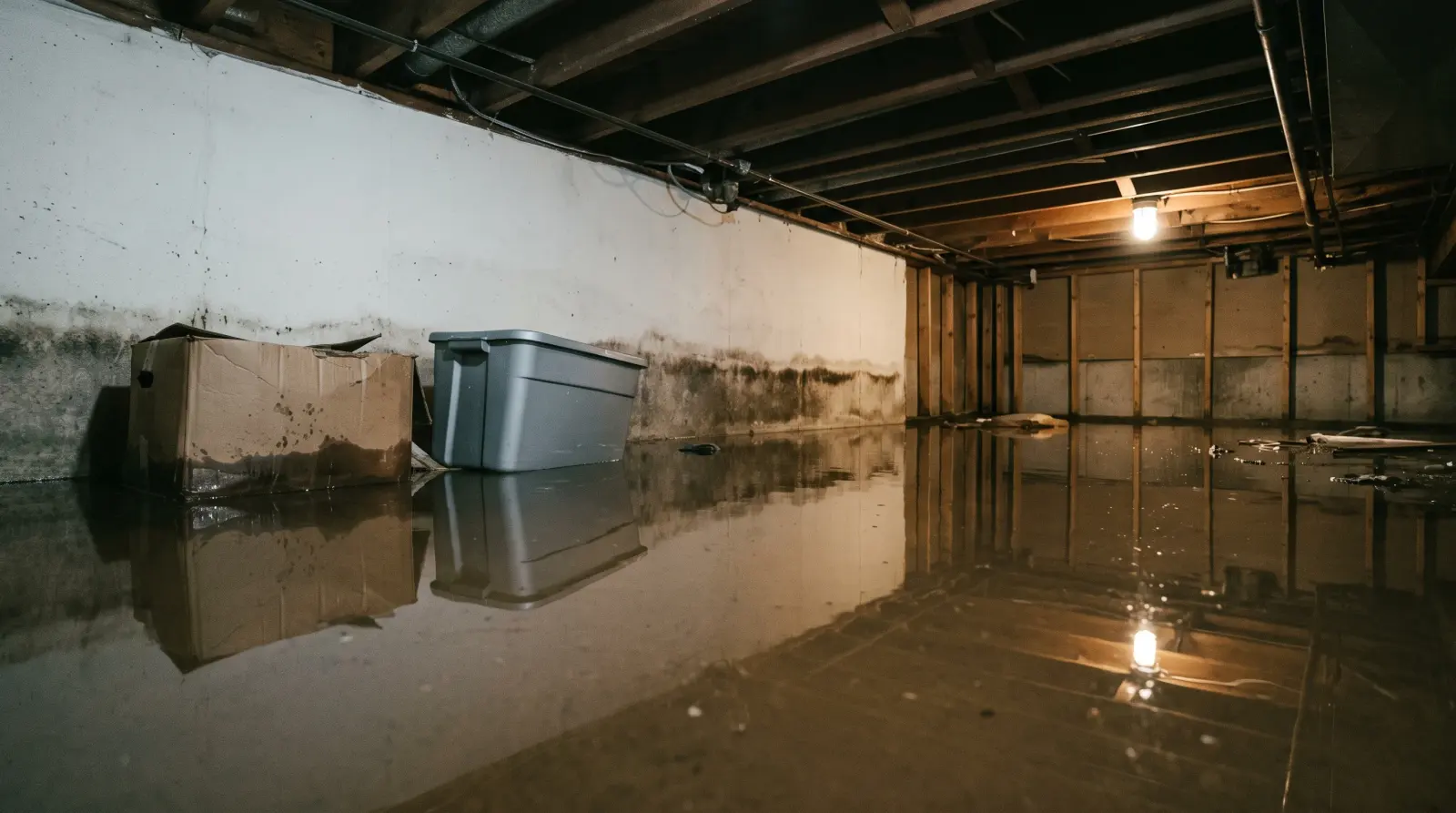
The Texas Department of Insurance answers it plainly, and the same structure applies across most US policies. What that means in a wet room is where the restoration guide and the flooded basement page pick up, and where Emergency Services 24H routes the work.
Does homeowners insurance cover water damage? What is normally in
- A burst supply pipe, including one that froze and split.
- An overflowing toilet, sink or bath where the overflow was accidental.
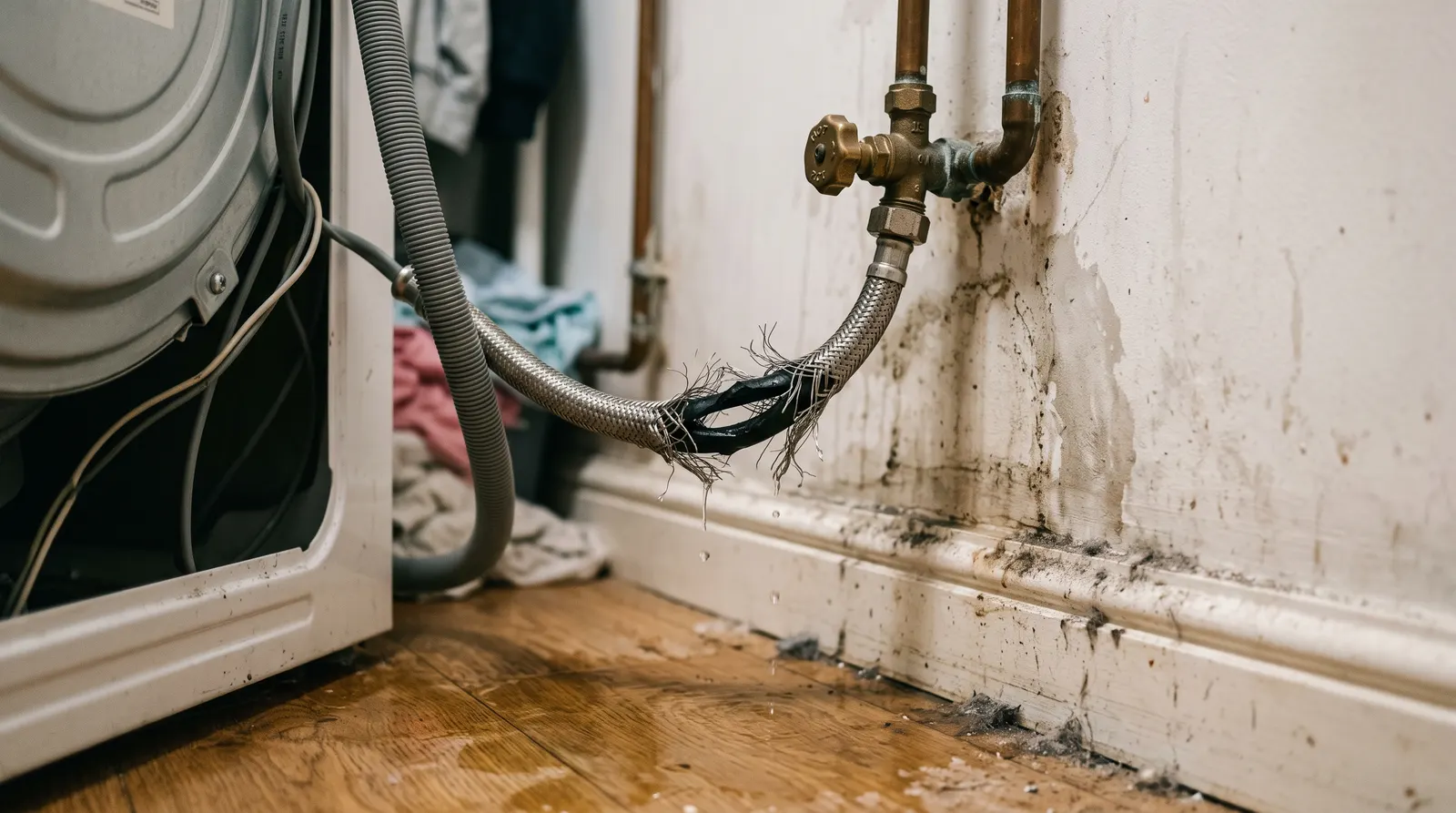
- A failed washing machine or dishwasher hose, which is one of the most common covered causes there is.
- Rain entering through a storm-created breach, such as a roof opened by wind, which is different from rain entering through a roof that was already failing.
What is normally excluded
- Gradual leaks and seepage. The single most common reason a water claim is refused.
- Damage attributed to deferred maintenance. A roof or a pipe that was known to be failing.
- Flood and surface water. Excluded from standard policies entirely, not merely limited.
- Sewer and drain backup where no endorsement has been purchased.
Do not let a claim question delay the drying
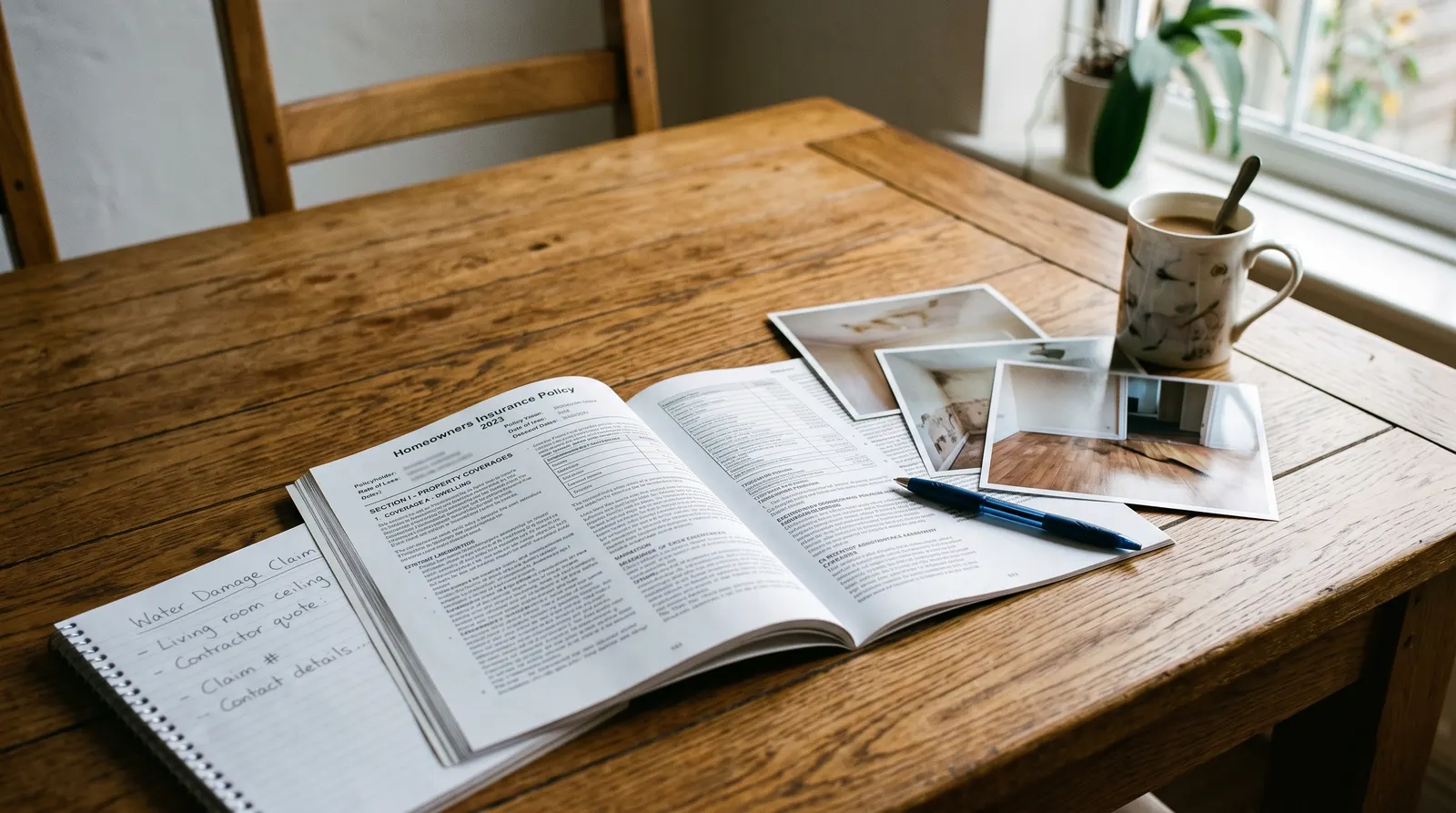
People routinely wait for an adjuster before touching anything, and it is the most expensive mistake available. Policies generally expect prompt mitigation, emergency drying is normally claimable in its own right, and the EPA window before materials start growing mold is 24 to 48 hours. Photograph thoroughly, then dry immediately.